Roshan Aquva World
SUBMERGING INTO ATLAS
Diving through species care sheets & parameters…
Diving through species care sheets & parameters…
Practical aquarium knowledge for choosing fish, understanding their needs, planning tanks and caring for aquatic life.
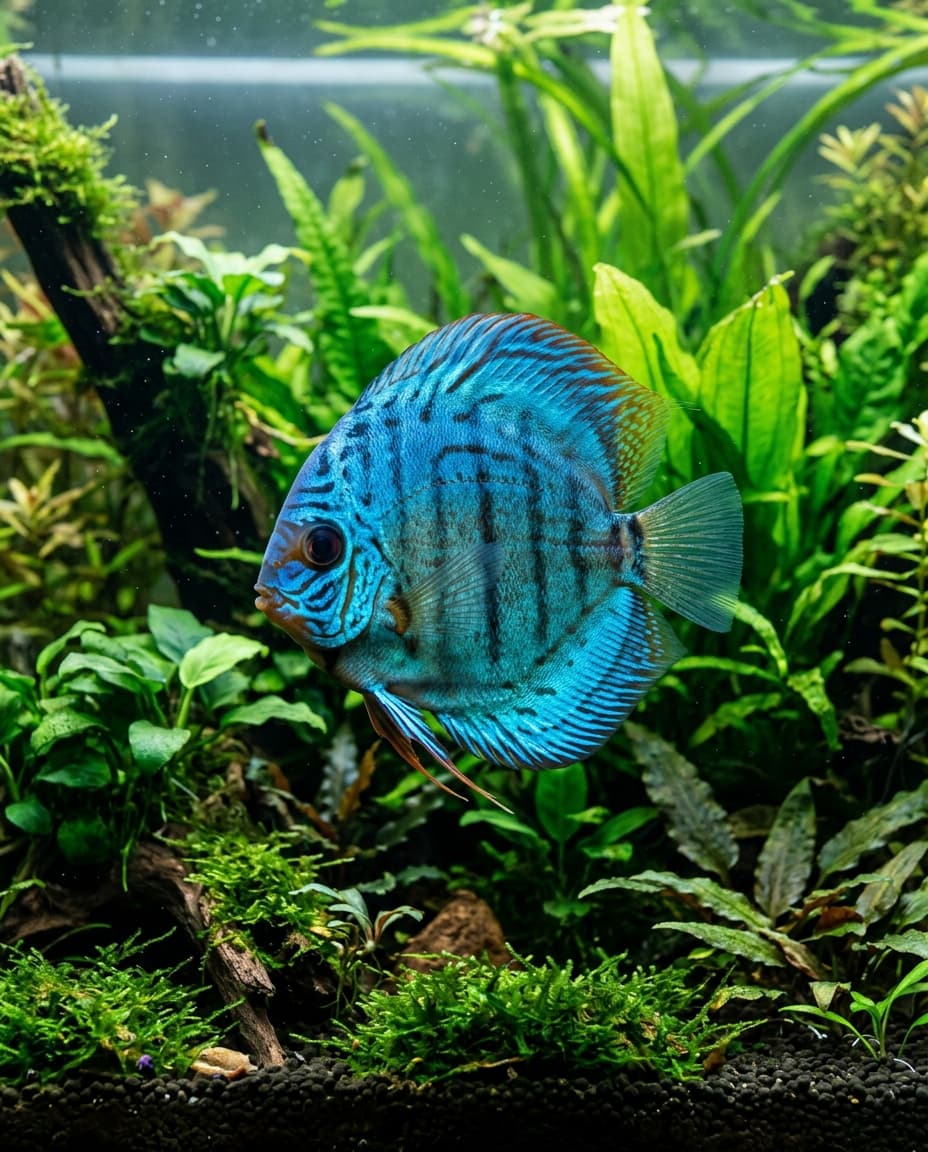
Symphysodon aequifasciatus — Planted Amazonian Biotopes
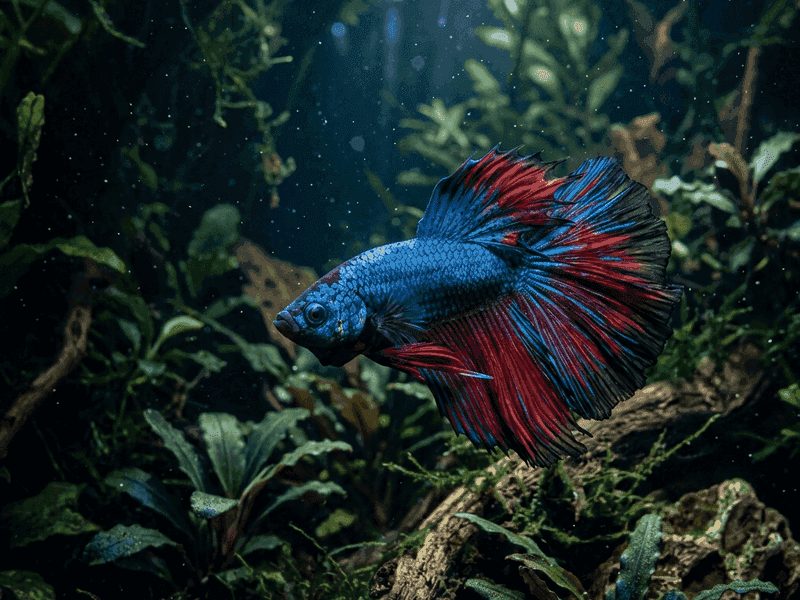
Discover freshwater and saltwater species with detailed care parameters, temperaments, and minimum tank dimensions.
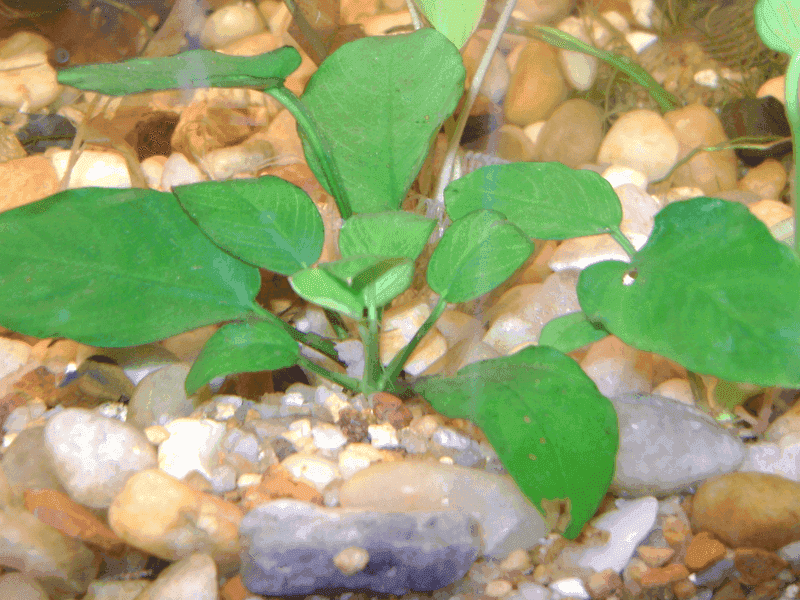
Explore hardy low-tech and high-light aquatic flora to naturally absorb nitrates and oxygenate water.
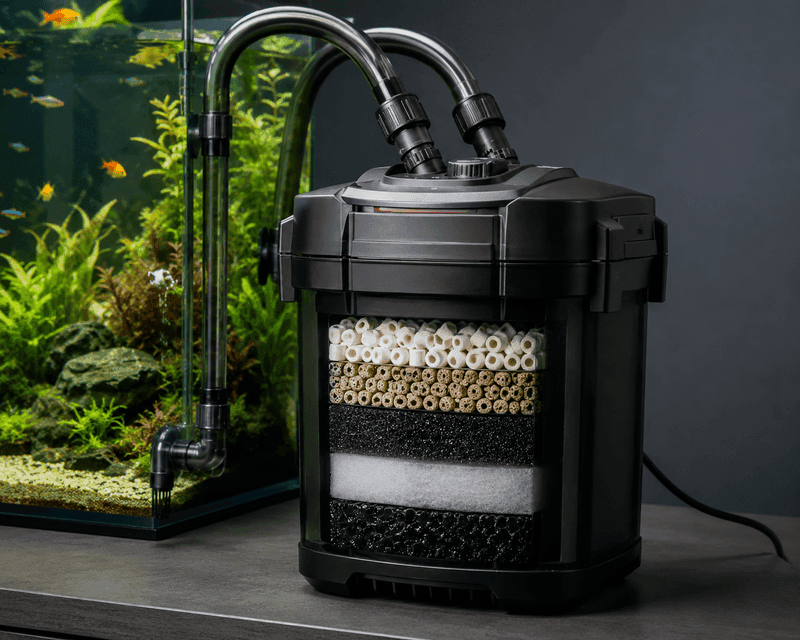
Understand filtration mechanics, precision heating thermostats, and full-spectrum LED lighting.
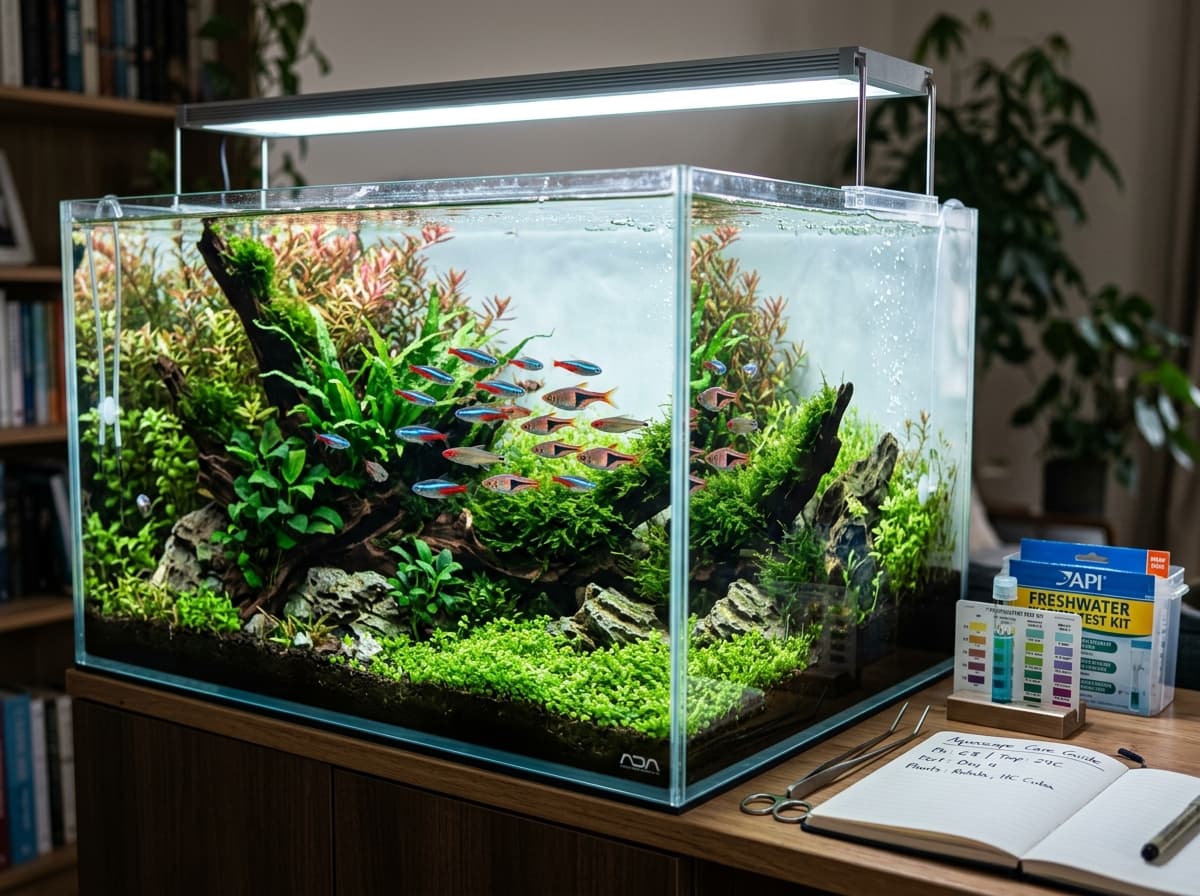
In-depth reference articles on biological cycling, acclimation protocols, and long-term water stability.
Care requirements, adult sizing, and compatibility guidelines from our species library.
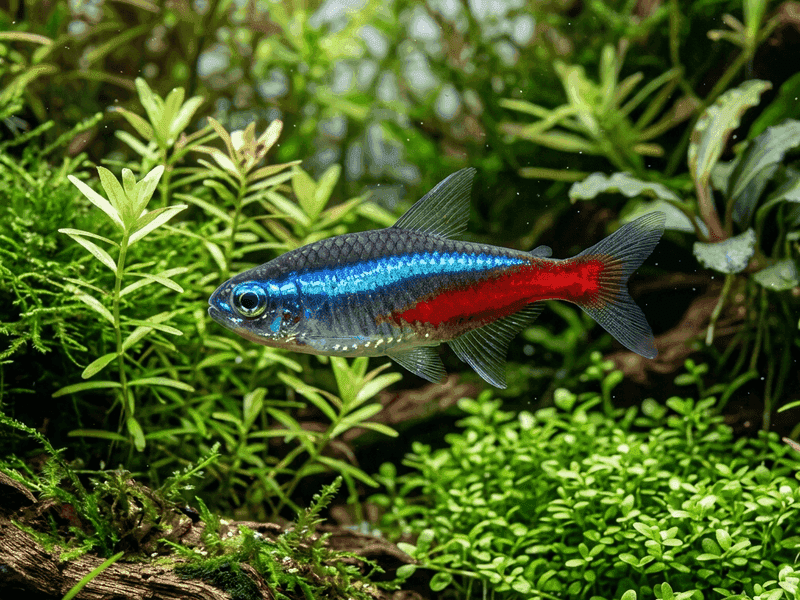
Paracheirodon innesi
A small, peaceful schooling tetra from the Amazon basin, known for its blue iridescent stripe and red lower body. Keep a group of at least 6, with 8-10 or more often providing more natural schooling behavior.
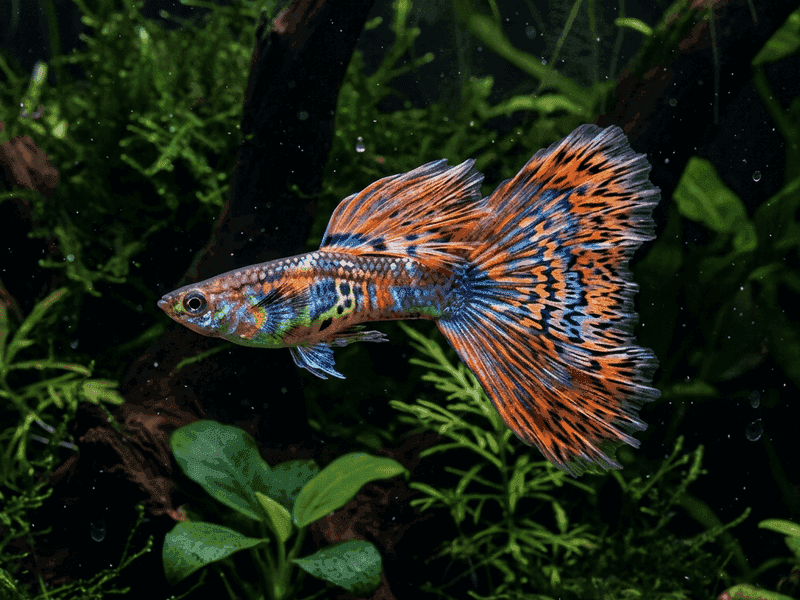
Poecilia reticulata
A colorful, active livebearer that is adaptable and beginner-friendly. Guppies reproduce readily, so mixed-sex groups can quickly increase the aquarium's population.
Betta splendens
A tropical freshwater labyrinth fish known for its flowing fins and territorial behavior. Individual temperament varies, and male Bettas should not be housed together.
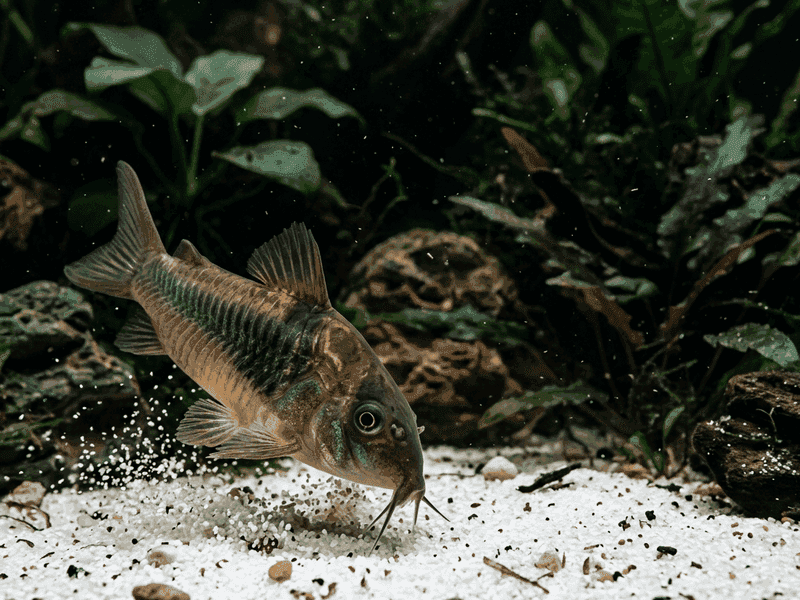
Corydoras spp.
Peaceful, bottom-oriented catfish that use their barbels to search the substrate for food. Corydoras are social and generally do best in groups of their own species, with 6 or more being a useful target for many commonly kept species.
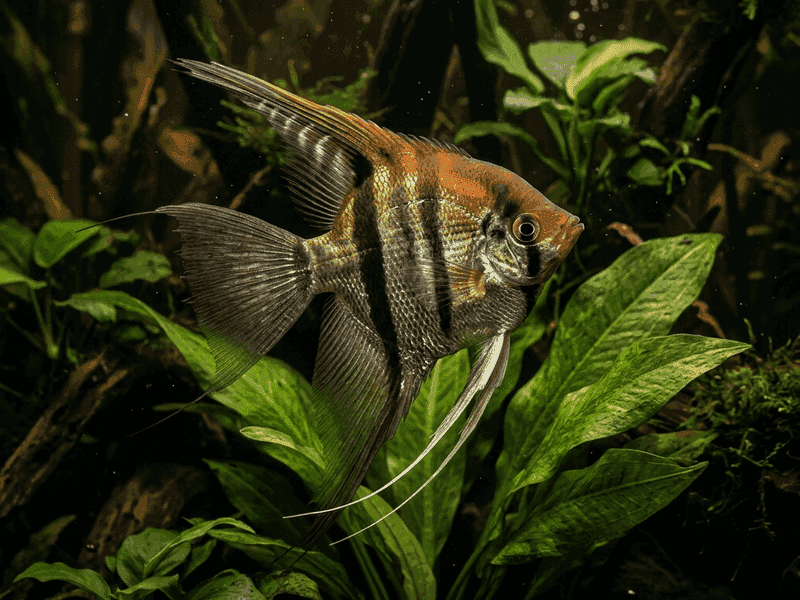
Pterophyllum scalare
A tall-bodied South American cichlid that can be peaceful when young but may become territorial as it matures, especially when pairing and spawning. Adult size and body shape make tank height and footprint important.
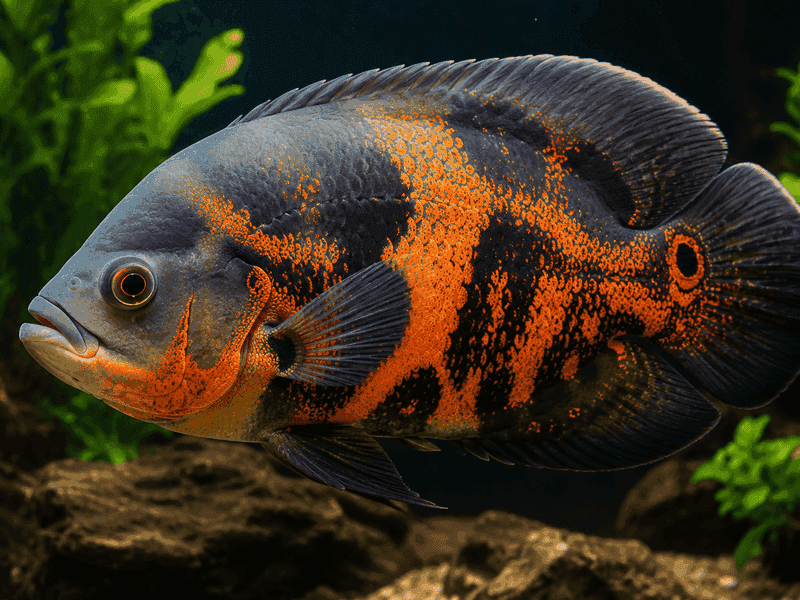
Astronotus ocellatus
A large, intelligent South American cichlid that can become territorial and predatory. Oscars grow quickly, produce substantial waste, and may eat fish small enough to fit in their mouths.
Every successful aquarium relies on five foundational pillars of aquatic ecology.
An established aquarium is a closed biological ecosystem. Beneficial nitrifying bacteria convert toxic ammonia and nitrite into manageable nitrate. Stability is vastly more important than chasing textbook pH numbers.
Water volume determines biological buffer capacity against waste spikes, while tank length provides the swimming distance required by active schooling fish. Vertical height matters less than surface footprint.
Fish compatibility depends on temperament, adult size ratios, feeding competition, and habitat chemistry. Never mix predatory species with fish that can fit in their mouth.
Overfeeding is the number one cause of water parameter crashes in new aquariums. Provide high-quality variety (pellets, live/frozen, greens) in amounts consumed within two minutes.
Consistent 20-25% partial weekly water changes remove accumulated nitrates and replenish vital trace minerals. Regular maintenance preserves long-term biological equilibrium.
Practical tools and calculators to help you plan and manage your aquarium.
Verify temperature, pH, adult sizes, and social temperaments before introducing new tankmates.
Explore footprint dimensions, filled weights, and realistic stocking capacities from 5 to 75+ gallons.
Find live aquatic flora matched to your lighting levels, substrate, and maintenance commitment.
Get tailored hardware recommendations for filtration flow rates, heaters, and LED lighting.
Learn practical management of ammonia, nitrite, nitrate, pH, and water hardness.
Daily, weekly, and monthly checklists to maintain biological equilibrium without panic.
Follow this 5-step biological progression to establish a resilient, thriving habitat.
Select an appropriate volume (20-gallon long is ideal for beginners) and a sturdy, level stand capable of supporting filled water weight (~10 lbs per gallon).
Install the filter, heater, and substrate. Dechlorinate tap water before filling to protect future bacteria colonies from chlorine and chloramine.
Establish the biological nitrogen cycle over 3–6 weeks using liquid ammonia or fishless cycling. Verify ammonia and nitrite are strictly 0 ppm.
Start with a small group of hardy, peaceful community species. Acclimate slowly via float-and-drip methods to equalize temperature and pH.
Perform 20–25% partial weekly water changes, vacuum detritus from substrate, feed in moderation, and test parameters weekly with liquid test kits.
Explore species profiles, water chemistry parameters, and practical equipment setup guides in our growing library.