Roshan Aquva World
SUBMERGING INTO ATLAS
Diving through species care sheets & parameters…
Diving through species care sheets & parameters…
Botanical index of freshwater flora for natural nutrient export, aquascaping layout depth, and biological fish shelter.
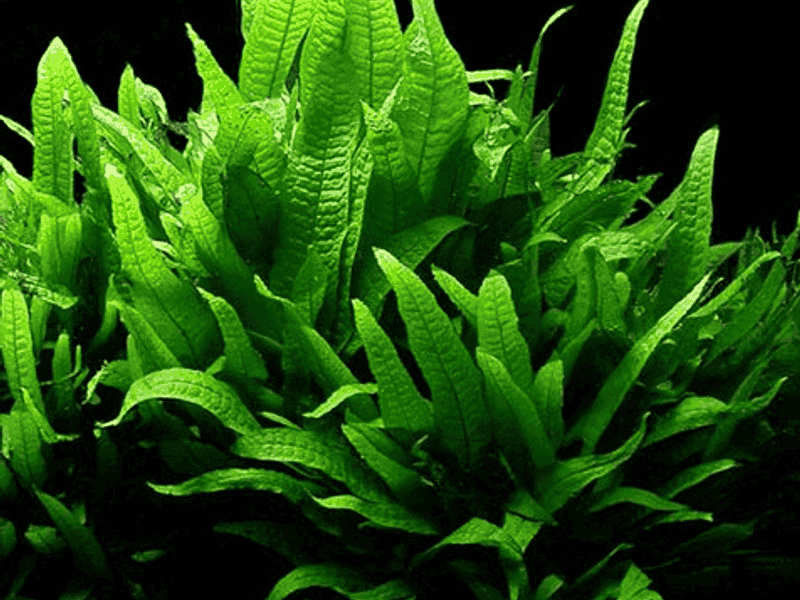
Microsorum pteropus
Java Fern is perhaps the most universally recommended plant for beginner aquarists. Originating from Southeast Asia, it is an epiphyte, meaning that in nature it grows attached to rocks and driftwood rather than buried in soil. In the aquarium, planting its rhizome (the thick green stem the roots grow from) directly into the gravel will cause it to rot and die. It must be tied or glued to hardscape. It is incredibly hardy and tolerates very low lighting and a wide range of water parameters. Because of its tough, leathery leaves, it is one of the few plants that herbivorous fish (like goldfish and certain cichlids) will usually leave alone. It reproduces by growing miniature 'plantlets' directly on the edges of its older leaves, which eventually detach and float away to root elsewhere.
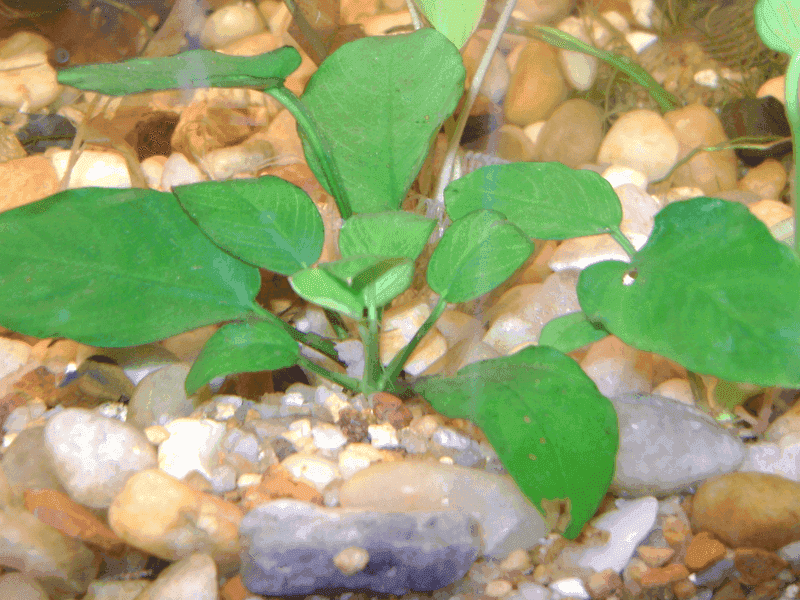
Anubias barteri var. nana
Anubias Nana is a stunning, dark green plant with thick, broad leaves that provide excellent resting spots for fish like Bettas. Like Java Fern, it is an epiphyte and must be attached to wood or rock rather than buried in the substrate. It is notoriously slow-growing, often producing only one new leaf per month. While this makes it very easy to maintain without constant trimming, it also makes the broad leaves susceptible to algae growth if placed under lighting that is too intense. It thrives in low-tech setups without injected CO2 and is robust enough to survive in tanks with rowdy fish.
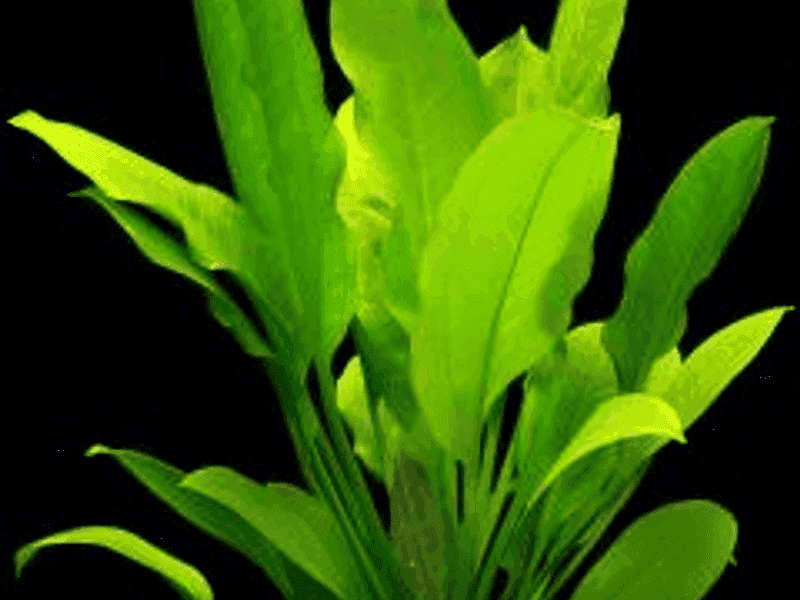
Echinodorus grisebachii
The Amazon Sword is a classic centerpiece plant for large aquariums. Under the right conditions, this heavy root-feeder can explode in growth, producing massive, bright green leaves that can easily reach 20 inches in height. It is ideal for planting in the background of the tank where it can create a dense, jungle-like aesthetic. Because of its massive root structure, the Amazon Sword requires a deep, nutrient-rich substrate. If you are using plain gravel or sand, you must regularly push root tab fertilizers deep into the substrate near its base. While it can survive in low light, medium to high light paired with root fertilizers will unlock its true potential and speed.
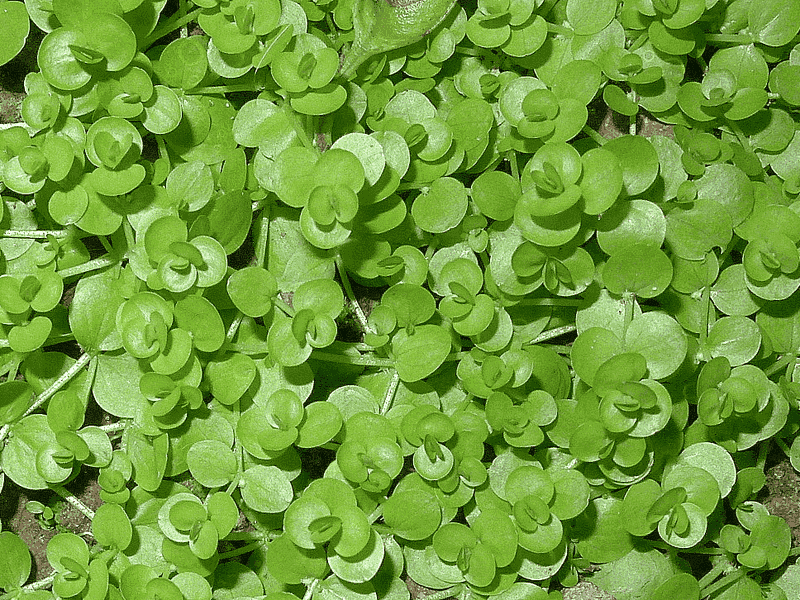
Micranthemum tweediei
Monte Carlo is one of the most popular plants used to create a lush, bright green 'carpet' across the floor of an aquarium. It produces tiny, round leaves and creeps horizontally along the substrate, eventually forming a dense, grassy lawn that looks spectacular in aquascapes. While considered easier to grow than other carpeting plants like Dwarf Baby Tears, Monte Carlo still strongly benefits from (and often requires) high lighting and injected CO2 to achieve that dense, ground-hugging growth. Without sufficient light, the plant will stretch vertically toward the surface instead of spreading outward. Regular trimming is required to prevent the bottom layers from rotting and detaching from the soil.
Vallisneria americana
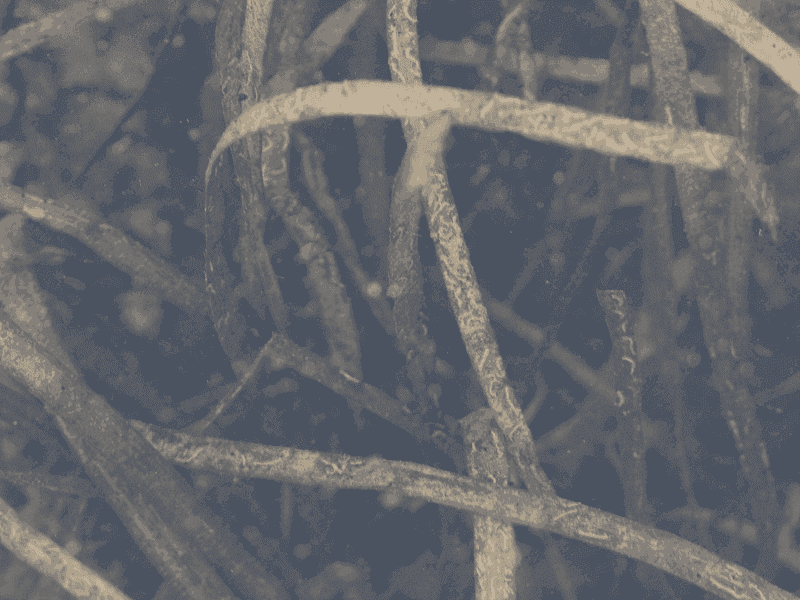
Jungle Val is a towering, ribbon-like plant that is perfect for creating a dramatic background or hiding equipment like heaters and filter intake tubes. It grows incredibly fast and tall, with its long leaves often reaching the surface and gracefully trailing across the top of the water. It propagates rapidly by sending out runners beneath the substrate, quickly forming a dense forest if left unchecked. It is very hardy and can tolerate harder water than many other aquatic plants. Note that Jungle Val is famously sensitive to liquid carbon supplements (like Excel); using these products will often cause the plant to melt away completely.
Eleocharis acicularis
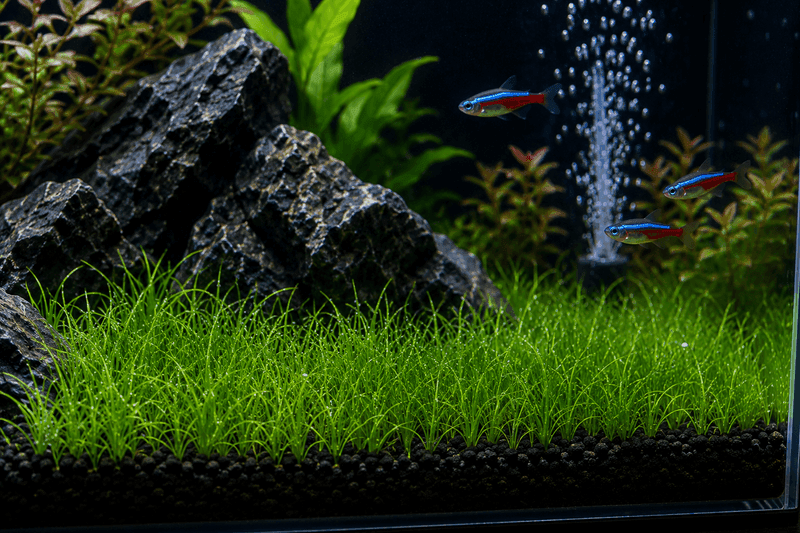
Dwarf Hairgrass is a popular, carpeting plant that looks like a miniature garden lawn. It spreads rapidly via runners and provides excellent shelter for bottom dwellers, shrimp, and newly hatched fry. Under strong light and CO2, it forms a dense, lush green carpet.
Micranthemum callitrichoides
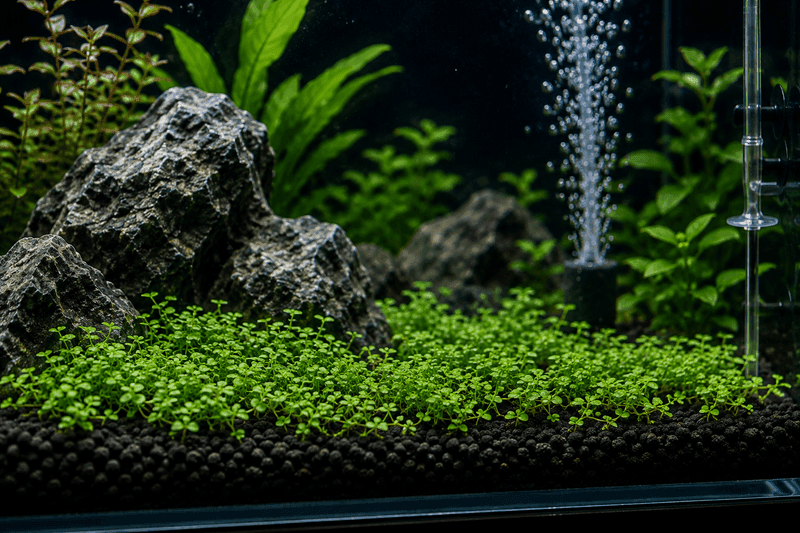
Dwarf Baby Tears is one of the smallest and most demanding carpeting aquarium plants in the hobby. It produces tiny, bright green leaves that pearl (produce oxygen bubbles) under intense light. It requires strong lighting, a rich substrate, and reliable CO2 injection to carpet successfully; without them, it will stretch, melt, or rot.
Glossostigma elatinoides
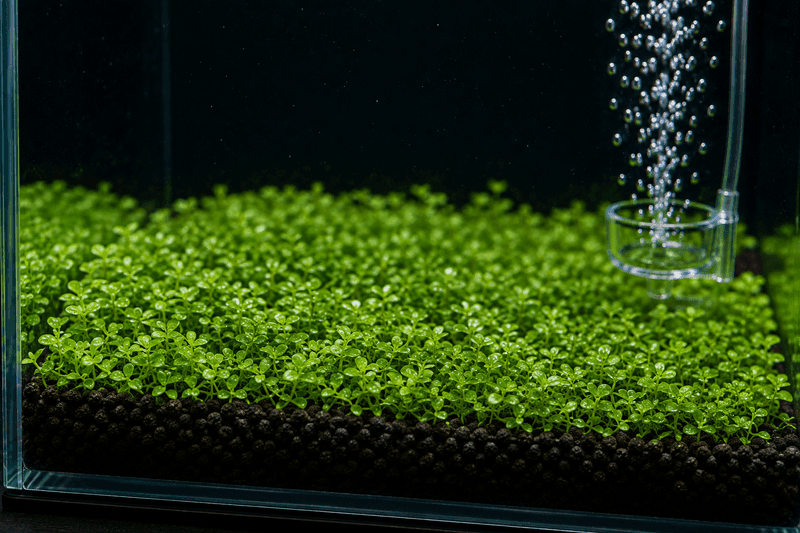
Glossostigma is a classic carpeting plant made famous by Takashi Amano's nature aquariums. It has small, tongue-shaped leaves. It is highly demanding, requiring high-intensity lighting and CO2. If light levels are insufficient, it will grow vertically rather than spreading horizontally.
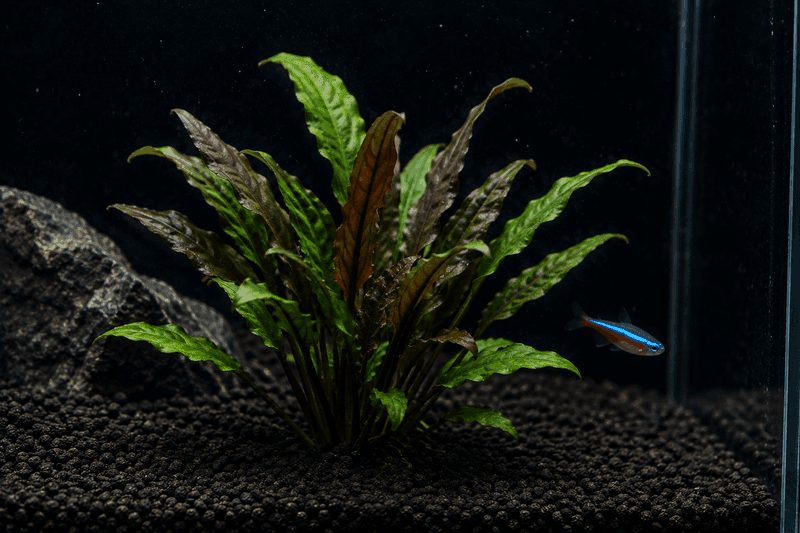
Cryptocoryne wendtii
Cryptocoryne Wendtii is a classic, hardy rosette plant originating from Sri Lanka. It is highly adaptable, growing well under low light and without CO2. When first introduced or moved, it may drop its leaves (known as 'Crypt melt'), but it will quickly grow back acclimated to your water chemistry.
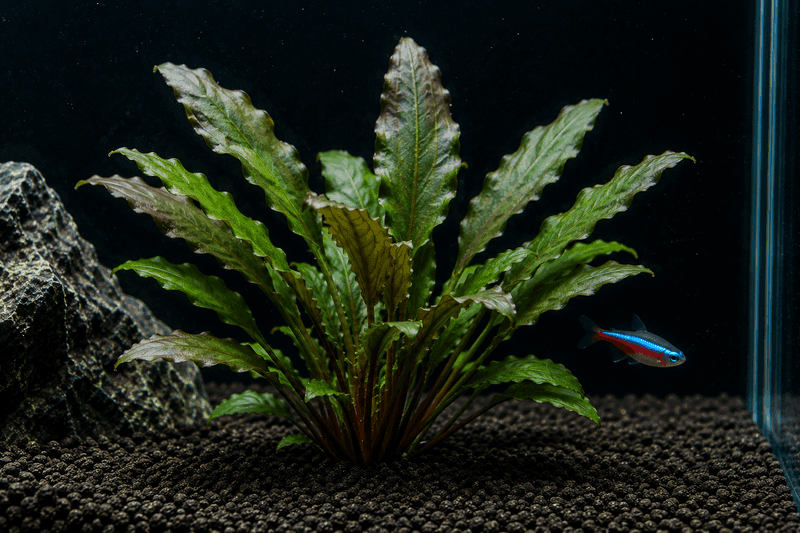
Cryptocoryne crispatula var. balansae
Features long, strap-like leaves with a unique puckered or crinkled texture that ripple beautifully in the filter current. It is hardy and grows tall, making it a great background plant. It prefers hard water and benefits from root fertilizer tabs.
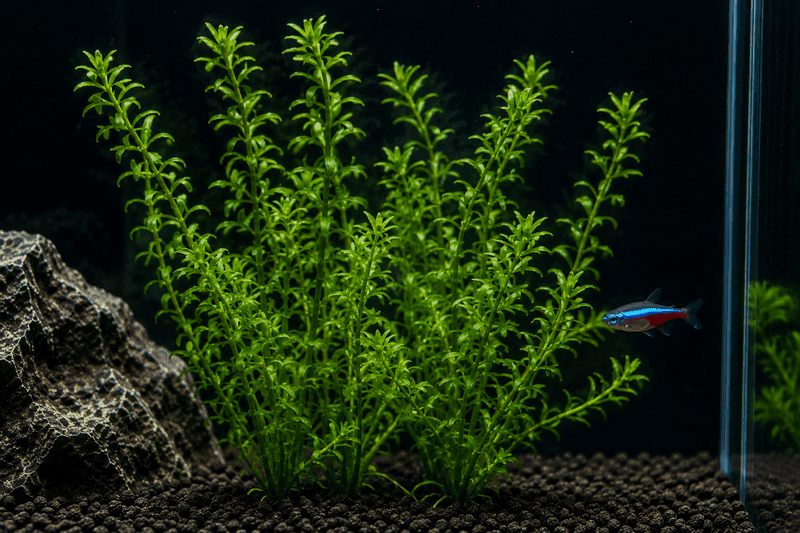
Hygrophila difformis
An exceptionally fast-growing, hardy stem plant with highly variable, lace-like leaves. Water Wisteria is useful for beginners and can take up nutrients from the water column, helping compete with algae when growth is healthy. It can be planted or floated.
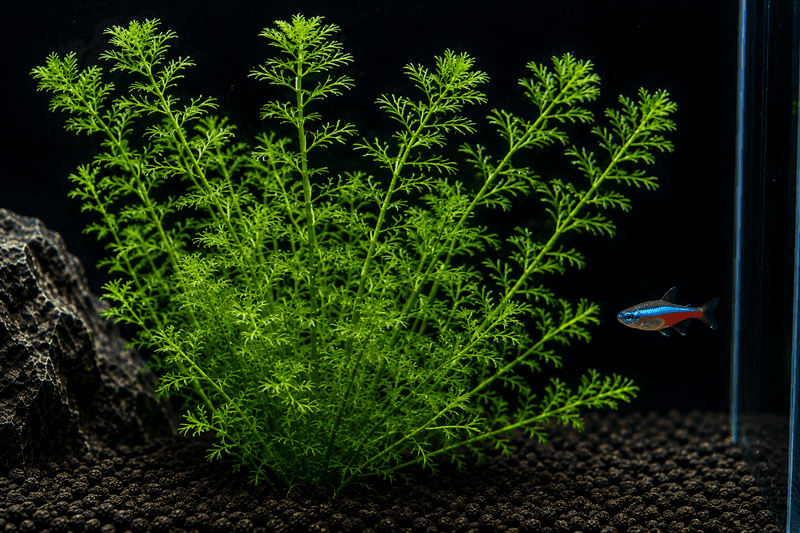
Ceratopteris thalictroides
Also known as Indian Fern, this highly popular fern-like stem plant is versatile and fast-growing. It can be rooted in the substrate or left to float at the surface, providing excellent shelter for fry, nesting bettas, and shrimp.
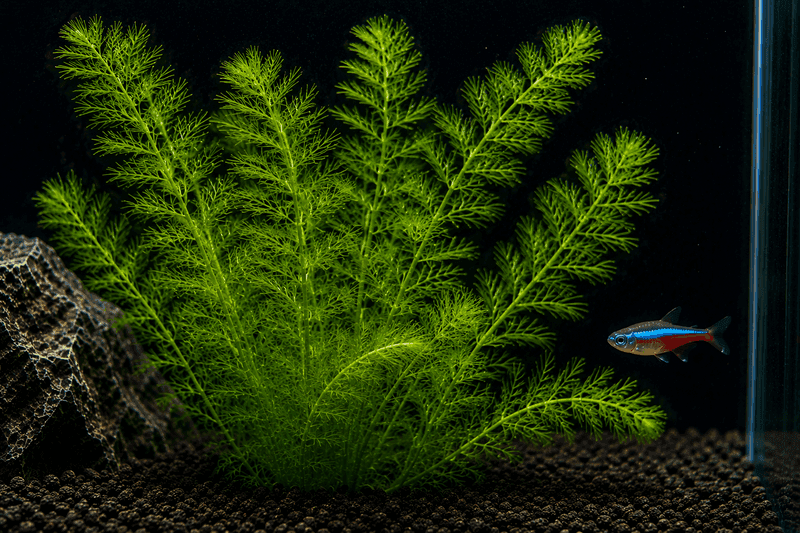
Ceratophyllum demersum
Hornwort is a rootless aquatic plant that can be grown floating or loosely anchored. It can grow quickly and take up nutrients from the water column, making it useful in many beginner aquariums. Rapid growth may require regular trimming.
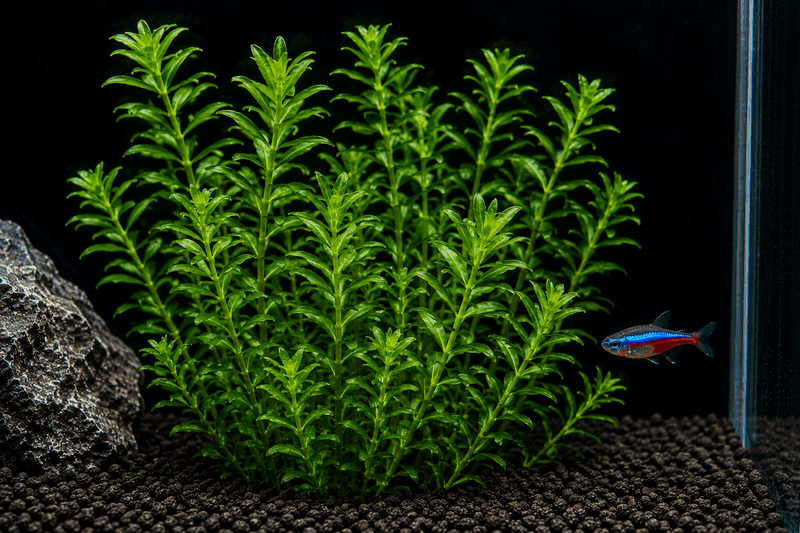
Egeria densa
A popular stem plant with rows of green leaves along a sturdy stem. It can grow quickly under suitable conditions and take up nutrients from the water column. It can be used in many freshwater aquariums, although some herbivorous fish may readily eat it.
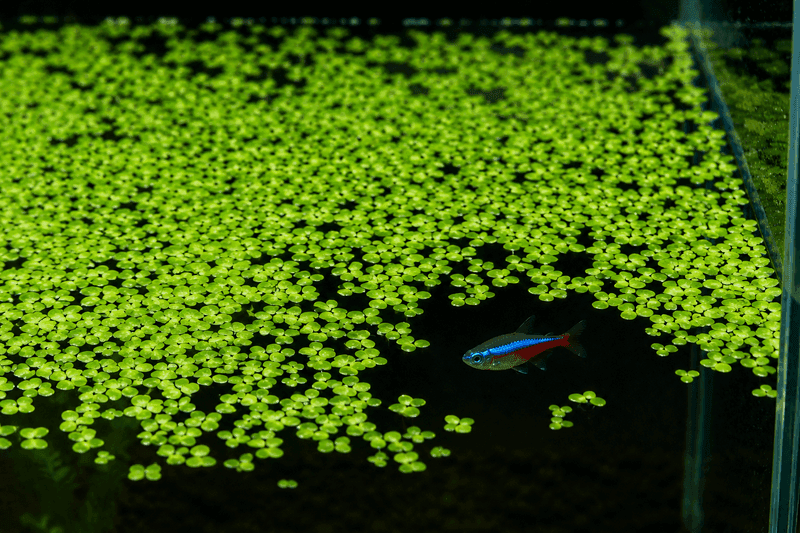
Lemna minor
A tiny, single-leaved floating plant that can multiply very rapidly. Duckweed takes up nutrients from the water and can provide surface cover, but it may spread across much of the surface and reduce light reaching plants below. It can also be difficult to remove completely once established.
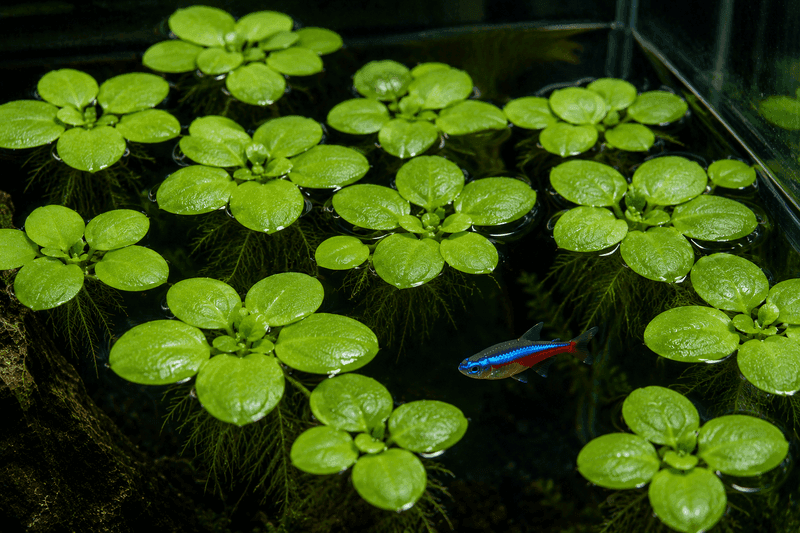
Limnobium laevigatum
A very popular floating plant with round, spongy leaves that lie flat on the surface and long, beautiful feathery roots that trail downward. These roots absorb nutrients and offer excellent hiding areas for baby fish, shrimp, and nesting labyrinth fish.
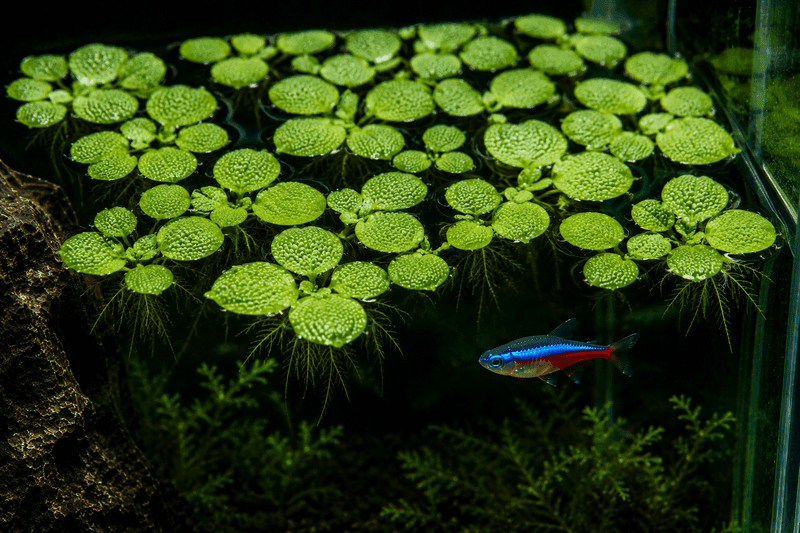
Salvinia minima
A floating fern with pairs of small, oval leaves covered in tiny hair-like structures that repel water. Water Spangles can grow quickly and provide surface cover while taking up nutrients from the water.
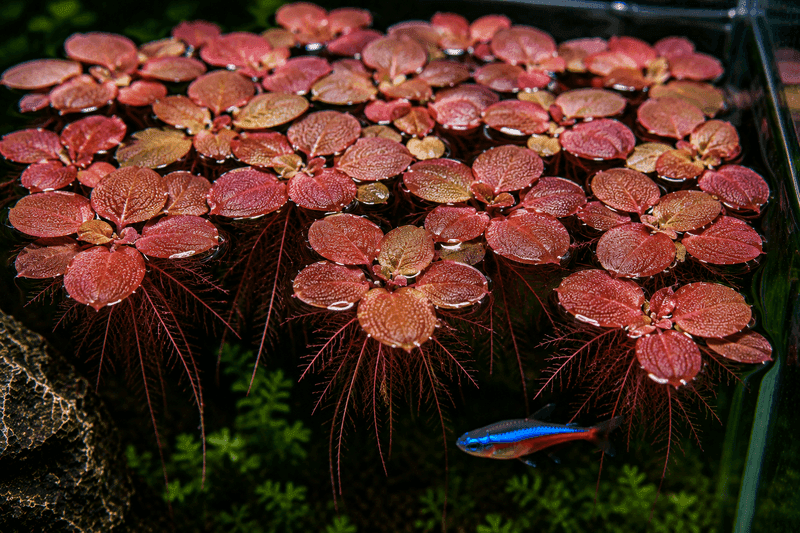
Phyllanthus fluitans
A floating species native to South America. Under suitable strong lighting and good nutrient availability, the leaves and roots can develop red coloration. It grows best with relatively calm surface water and enough light to reach the floating leaves.
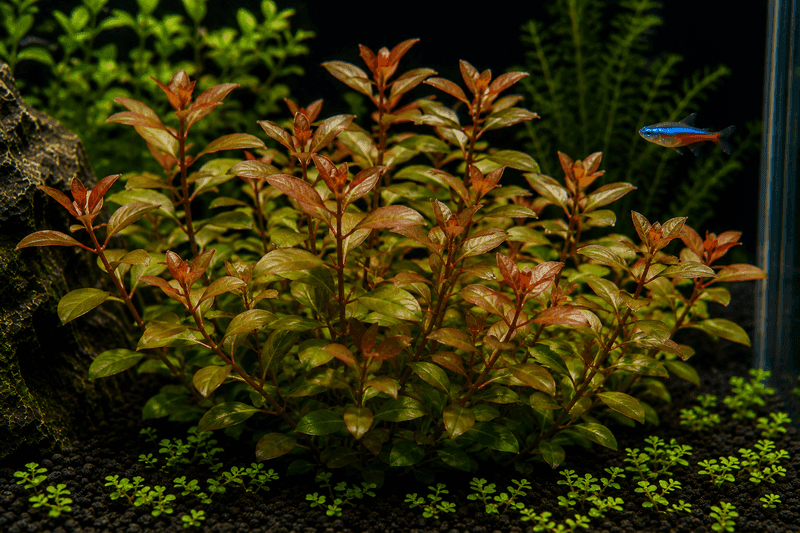
Ludwigia repens
A popular and relatively easy stem plant that can add red coloration to community aquariums. Stronger lighting generally produces better red coloration, while lower light can result in greener growth. It is fast-growing and easy to propagate by cutting and replanting stems.
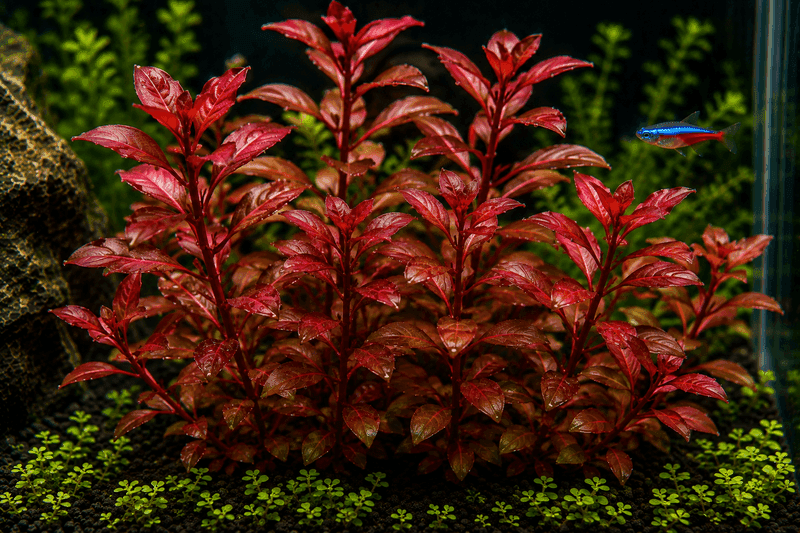
Ludwigia palustris 'Super Red'
A popular red stem plant that can develop strong red coloration under suitable lighting and nutrition. It benefits from good light, nutrients, and added CO2 for faster growth and stronger coloration.
Information on Roshan Aquva World is provided for general educational purposes. Aquarium requirements can vary depending on individual animals, aquarium conditions, source information, and husbandry practices. Content is periodically reviewed and may be updated as information develops.
Pair live plants with low-stress schooling fish and balanced lighting schedules for crystal clear ecosystem health.