Roshan Aquva World
SUBMERGING INTO ATLAS
Diving through species care sheets & parameters…
Diving through species care sheets & parameters…
Explore species care guidelines, commonly recommended water chemistry ranges, minimum aquarium volumes, and community temperaments.
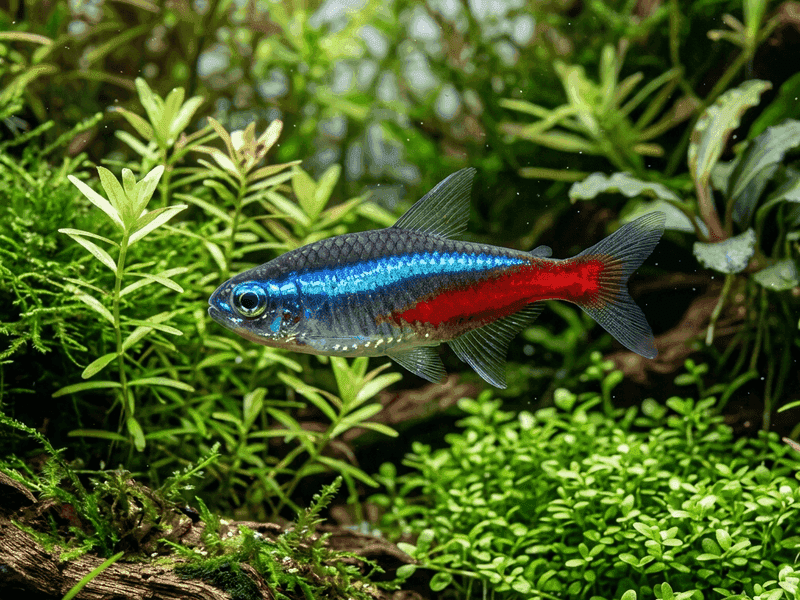
Paracheirodon innesi
A small, peaceful schooling tetra from the Amazon basin, known for its blue iridescent stripe and red lower body. Keep a group of at least 6, with 8-10 or more often providing more natural schooling behavior.
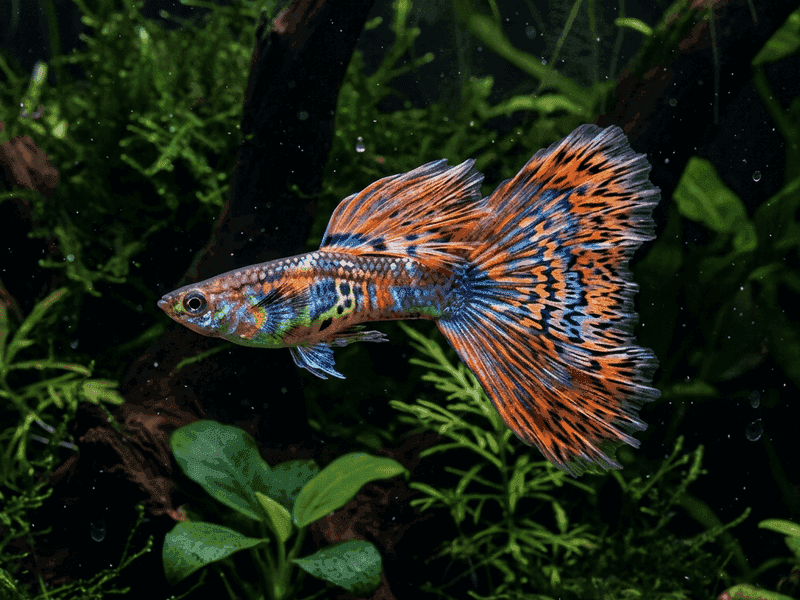
Poecilia reticulata
A colorful, active livebearer that is adaptable and beginner-friendly. Guppies reproduce readily, so mixed-sex groups can quickly increase the aquarium's population.
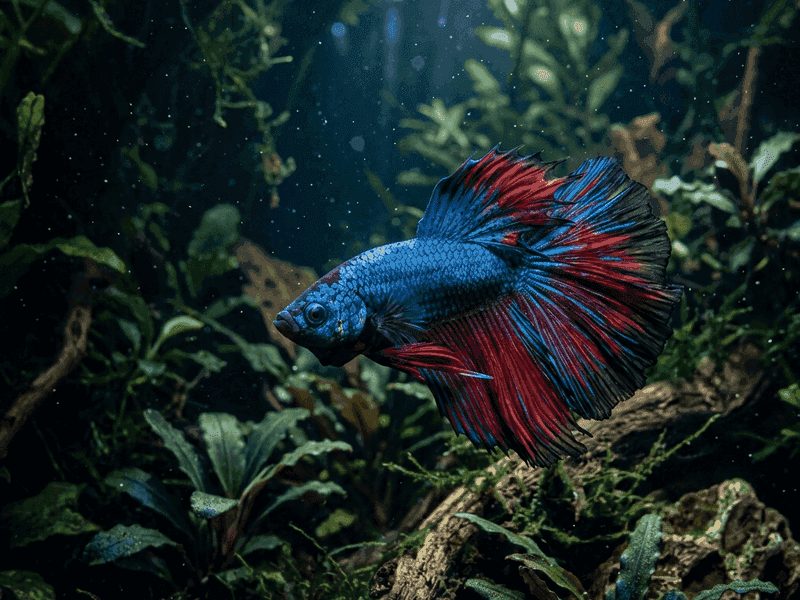
Betta splendens
A tropical freshwater labyrinth fish known for its flowing fins and territorial behavior. Individual temperament varies, and male Bettas should not be housed together.
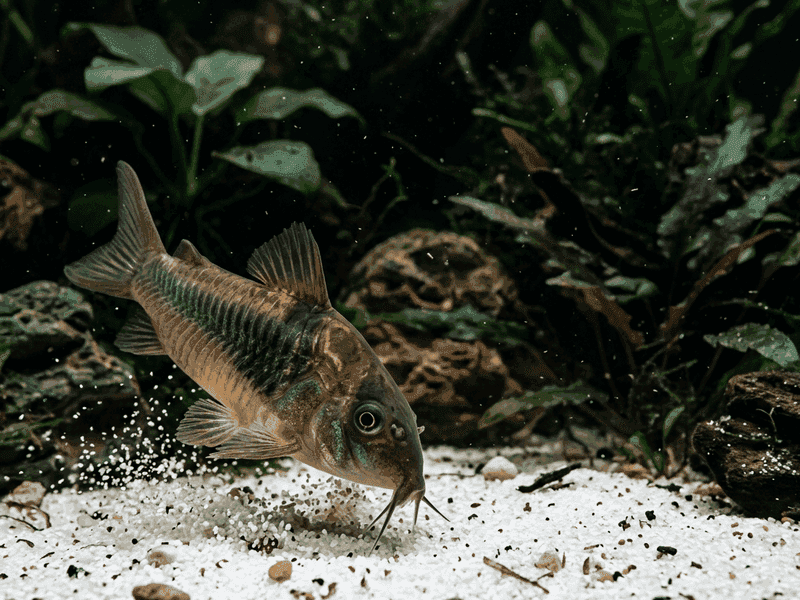
Corydoras spp.
Peaceful, bottom-oriented catfish that use their barbels to search the substrate for food. Corydoras are social and generally do best in groups of their own species, with 6 or more being a useful target for many commonly kept species.
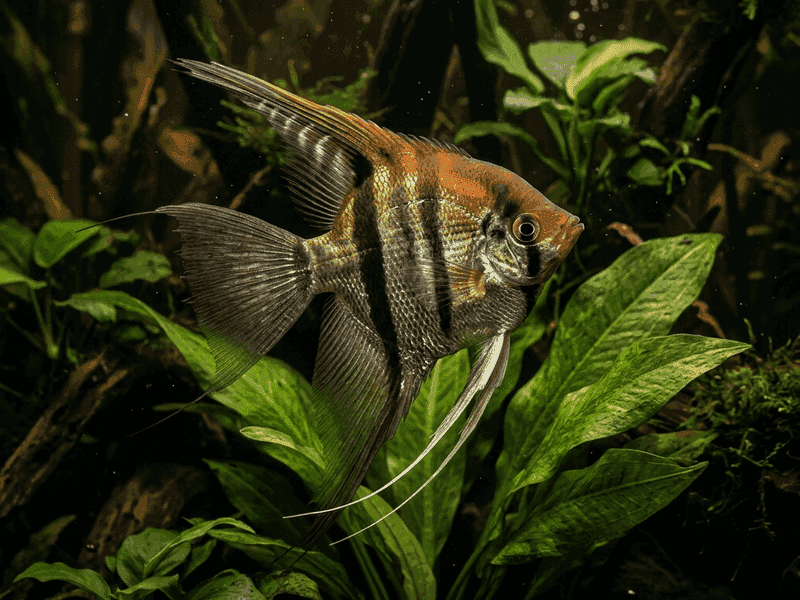
Pterophyllum scalare
A tall-bodied South American cichlid that can be peaceful when young but may become territorial as it matures, especially when pairing and spawning. Adult size and body shape make tank height and footprint important.
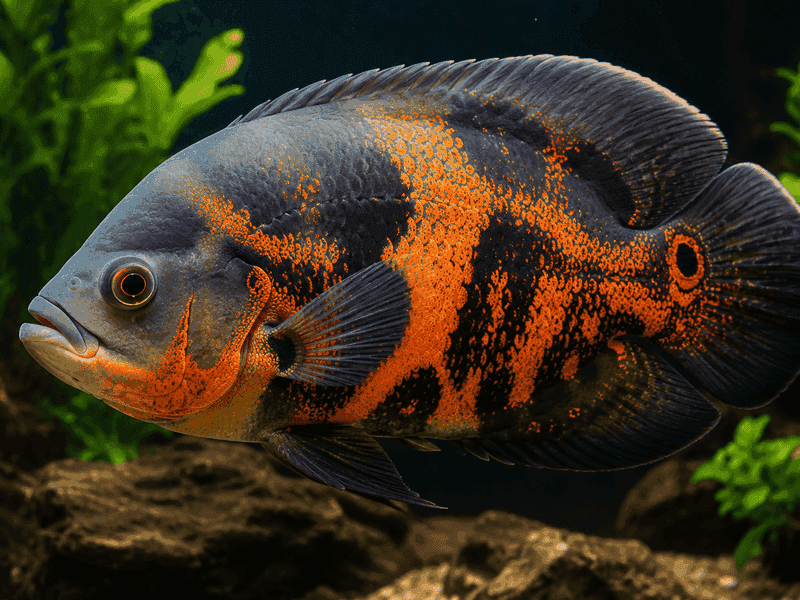
Astronotus ocellatus
A large, intelligent South American cichlid that can become territorial and predatory. Oscars grow quickly, produce substantial waste, and may eat fish small enough to fit in their mouths.
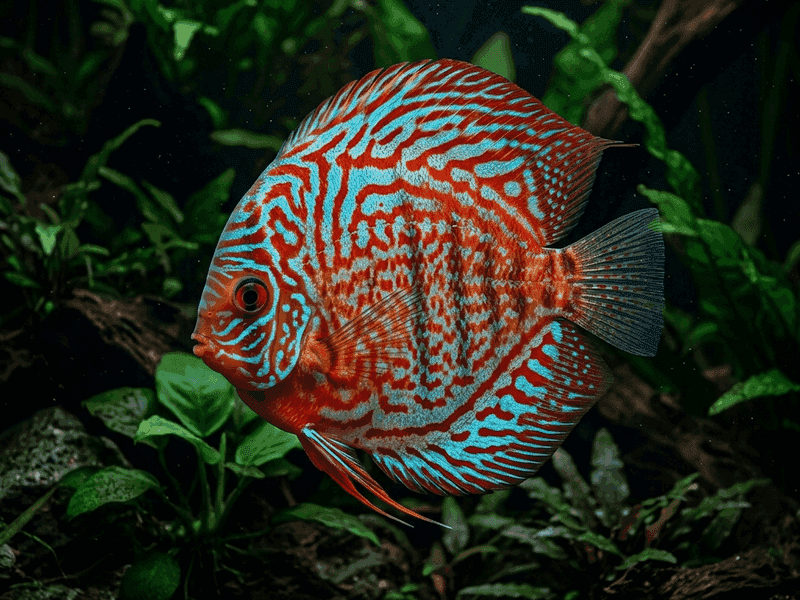
Symphysodon species
A warm-water South American cichlid with a laterally compressed body and demanding water-quality requirements. Discus are social and generally do best in groups, with high temperature and consistent water quality being especially important.
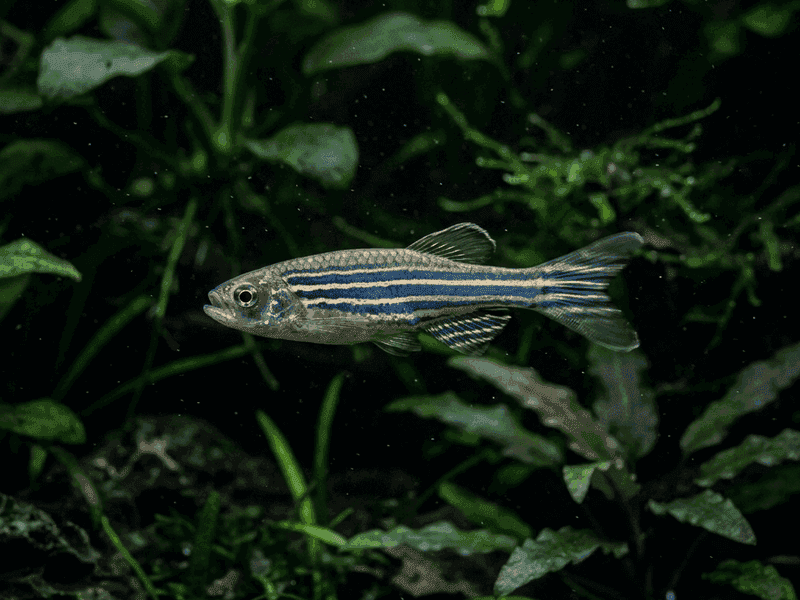
Danio rerio
A hardy, fast-swimming schooling fish that is comfortable in relatively cool freshwater. Zebra Danios are active and need horizontal swimming space and a secure lid.
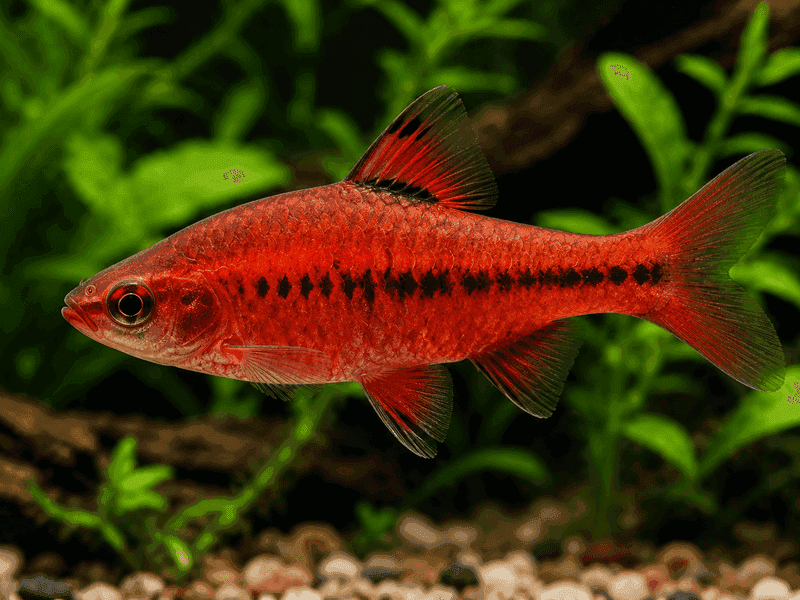
Puntius titteya
A peaceful Southeast Asian barb whose males develop a rich red coloration. Cherry Barbs are generally much less prone to fin-nipping than many other barbs, although individual behavior can vary.
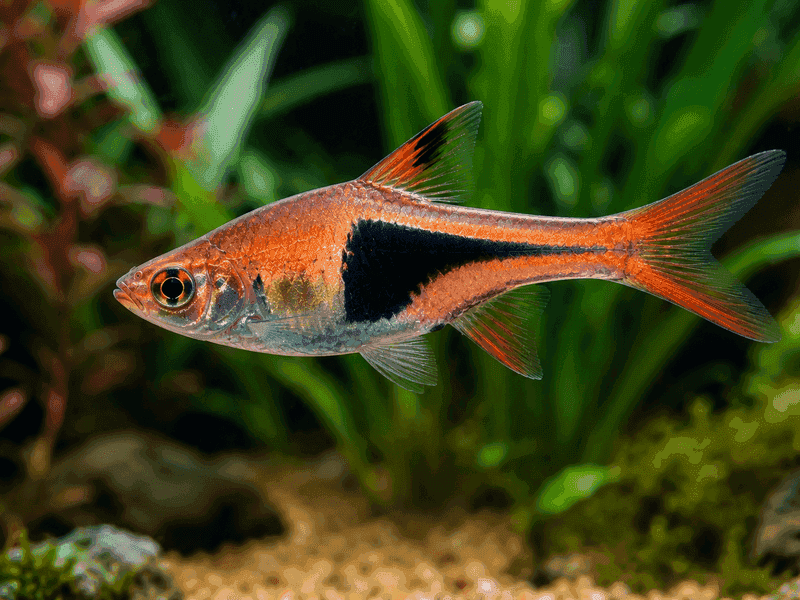
Trigonostigma heteromorpha
A beautiful, peaceful schooling fish displaying a metallic copper-red body and a distinctive black lambchop-shaped wedge on their posterior. They form tight schools and bring high energy and color to planted community tanks.
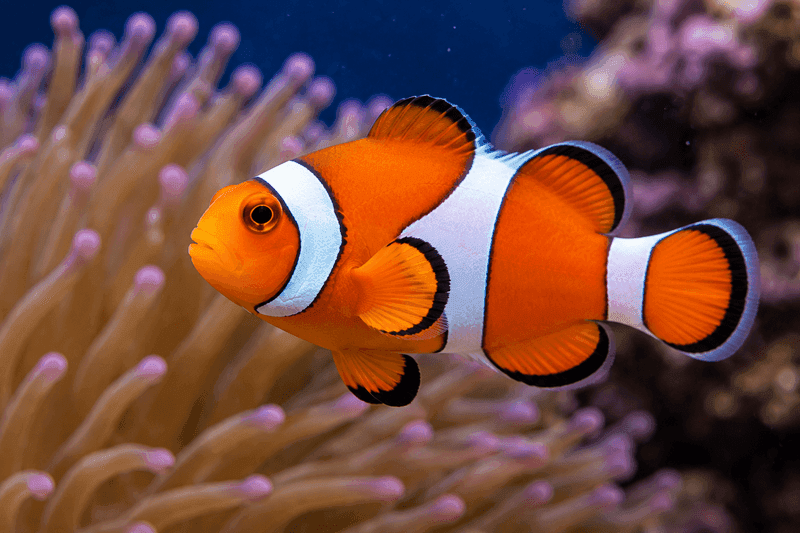
Amphiprion ocellaris
A hardy and widely kept marine clownfish that adapts well to aquarium life. Ocellaris Clownfish can live without an anemone and are generally peaceful, although established pairs may defend a small territory.
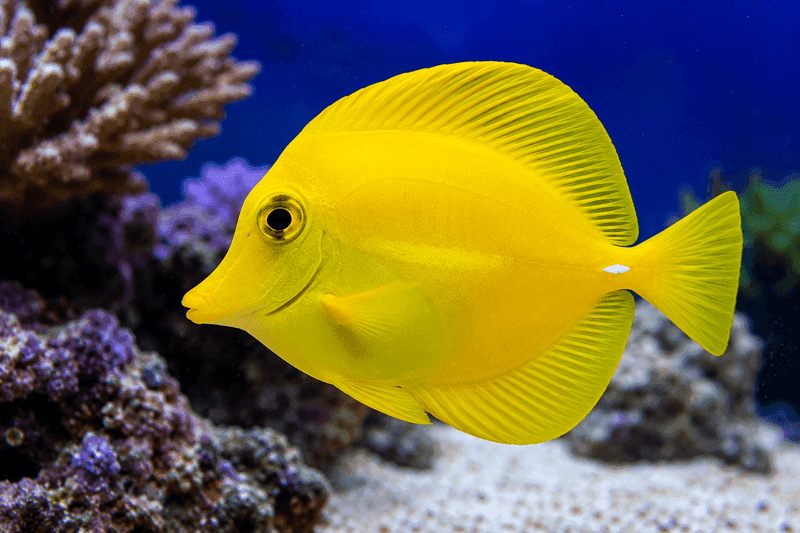
Zebrasoma flavescens
A striking, bright yellow marine fish native to Hawaiian coral reefs. Yellow Tangs are highly active swimmers and constant grazers, helping control algae growth. They can be territorial, especially toward other tangs of similar shape.
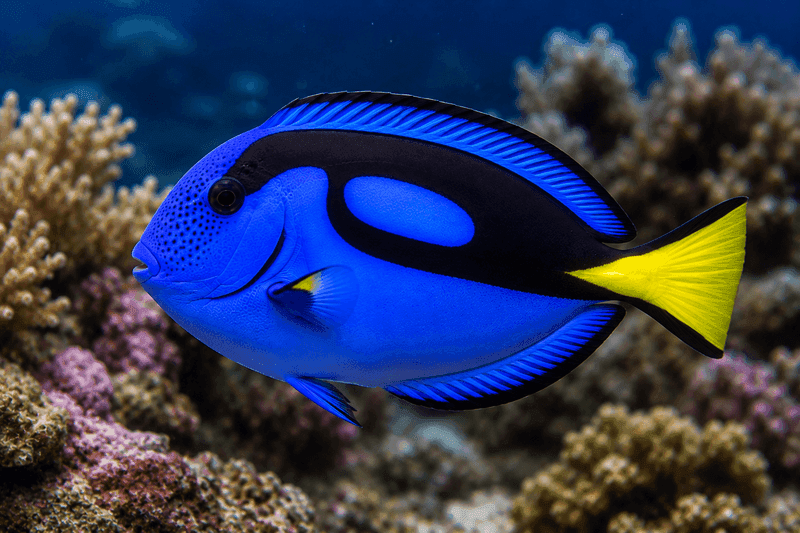
Paracanthurus hepatus
Famous for its vibrant royal blue body, yellow tail, and black palette markings. Hippo Tangs are active swimmers that add magnificent color to large reef tanks. However, they are highly sensitive to stress and susceptible to skin parasite infections.
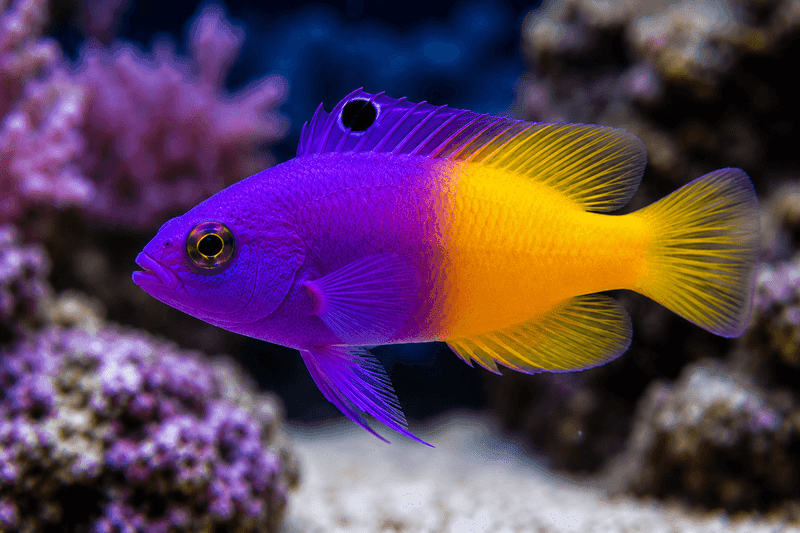
Gramma loreto
A breathtaking marine fish featuring a double coloring—deep purple front half and a vibrant yellow back half. Royal Grammas are peaceful, reef-safe cave dwellers that add incredible color. They are hardy and do excellent in smaller marine setups.
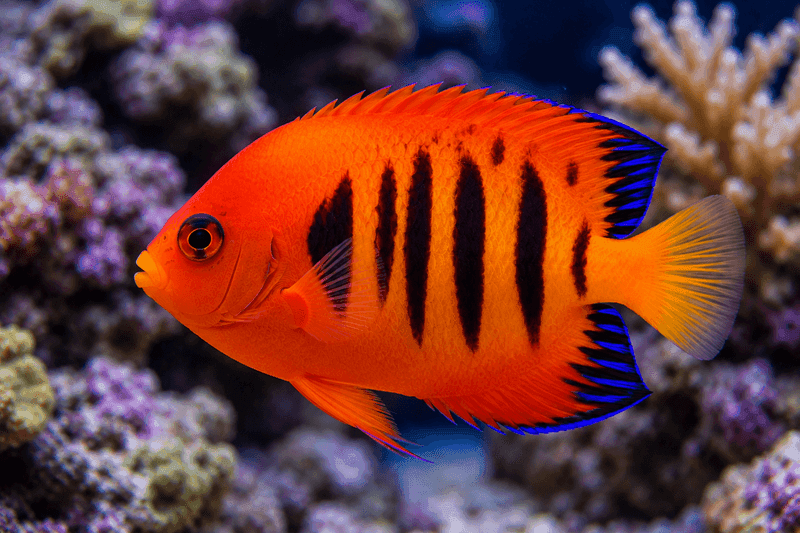
Centropyge loricula
One of the most popular dwarf angelfish, showing off a fiery orange-red body with vertical black bars and blue-tipped fins. Flame Angelfish are highly active and visually striking, but can sometimes nip at fleshy corals and clams.
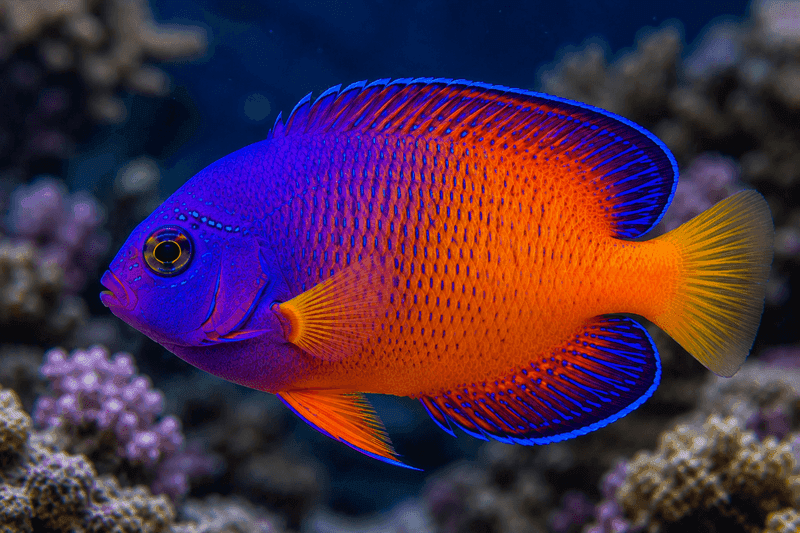
Centropyge bispinosa
An attractive, hardy dwarf angelfish featuring a deep royal blue body overlaying a shimmering orange or yellow core. They are generally more peaceful and less likely to nip at corals than the Flame Angelfish.
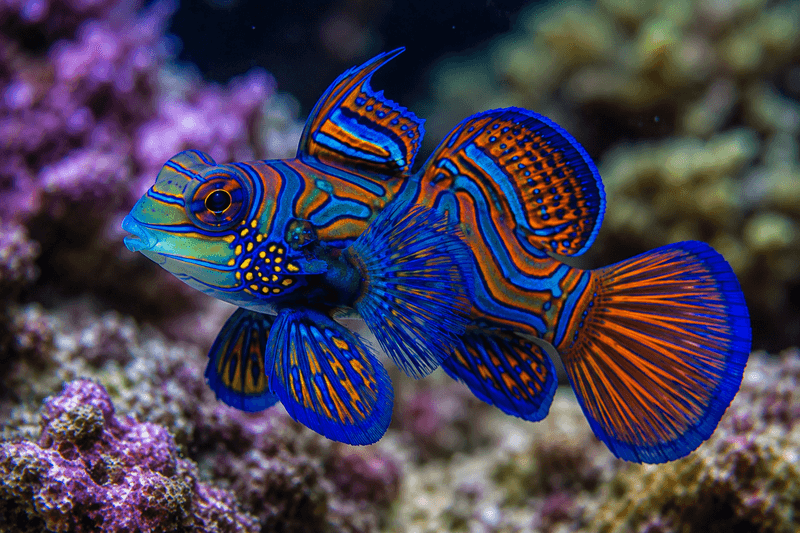
Synchiropus splendidus
A brilliantly patterned marine dragonet that spends much of its time picking tiny prey from rock and sand. Its specialized feeding behavior makes food availability the main challenge in captivity.
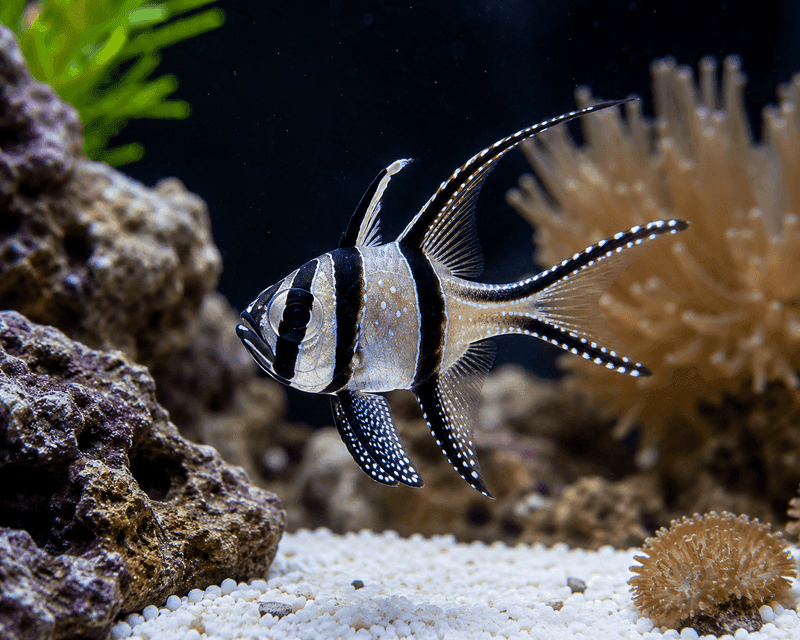
Pterapogon kauderni
An elegant, slow-moving cardinalfish with vertical black bars, white spots, and long tasselled fins. Banggai Cardinalfish are peaceful, hover in place, and are famous mouthbrooders (males carry fertilised eggs in their mouths until hatching).
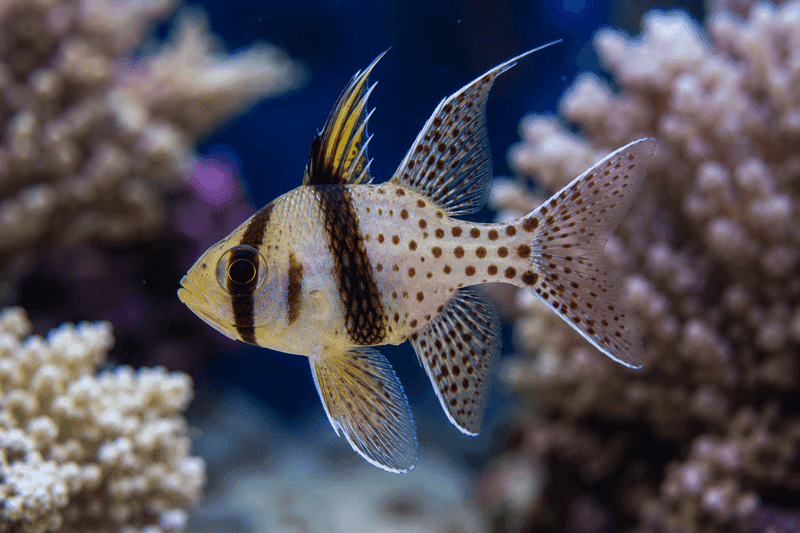
Sphaeramia nematoptera
A colorful and quirky marine schooling fish showing a yellow face, a dark vertical band, and a spotted red pajama-pattern tail. They are peaceful, slow-moving, and hardy reef citizens that do best in loose groups.
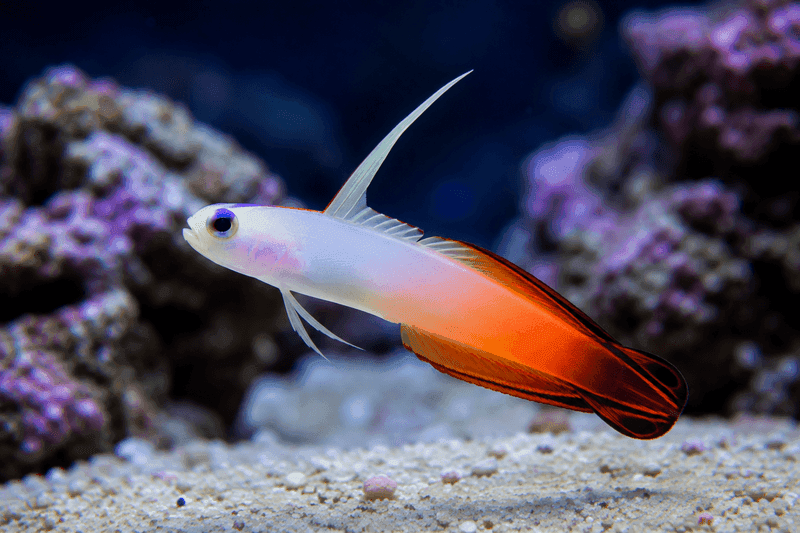
Nemateleotris magnifica
A beautiful, slender marine dartfish with a white head shading into a bright red-orange tail, and a long, white dorsal fin. They are timid, peaceful fish that hover just above the substrate and flick their dorsal fin to communicate.
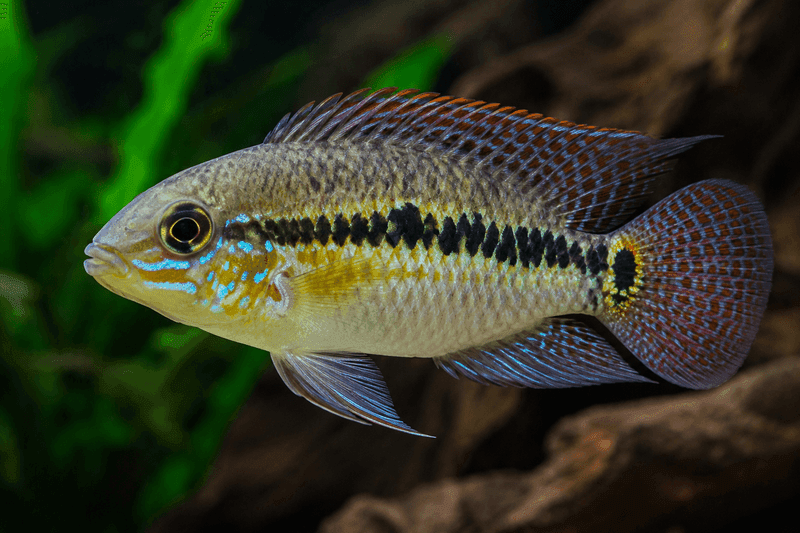
Pelvicachromis pulcher
A beautiful dwarf cichlid from West Africa. They show off colorful bellies (pink/purple in females) and are generally peaceful community fish, but can become fiercely territorial when breeding and protecting a cave.
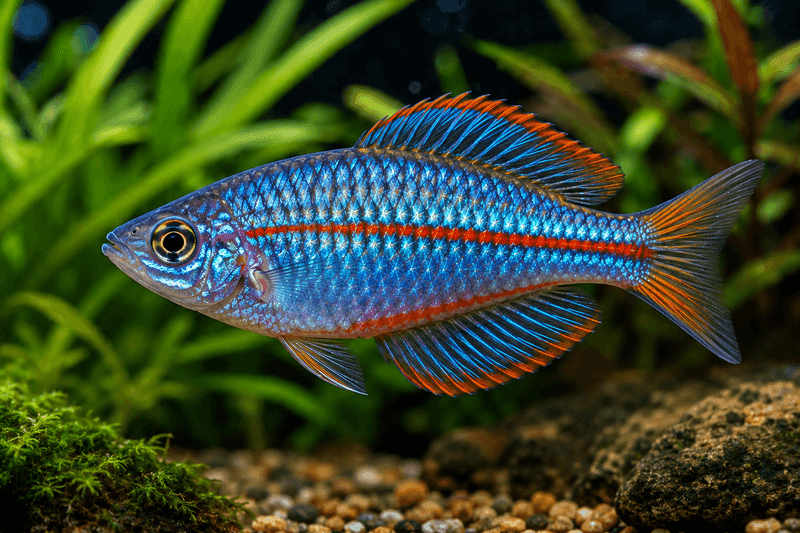
Melanotaenia praecox
An active, schooling rainbowfish known for their brilliant iridescent blue coloration and reddish fins. They are energetic swimmers that bring constant movement and color to the middle-to-upper levels of the aquarium.
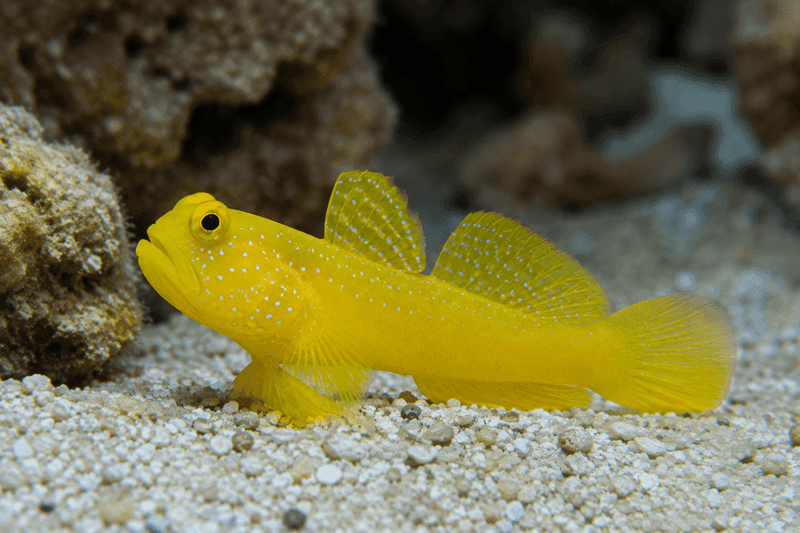
Cryptocentrus cinctus
A popular marine goby known for its bright yellow color and interesting symbiotic relationship with pistol shrimp, sharing burrows and acting as a lookout.
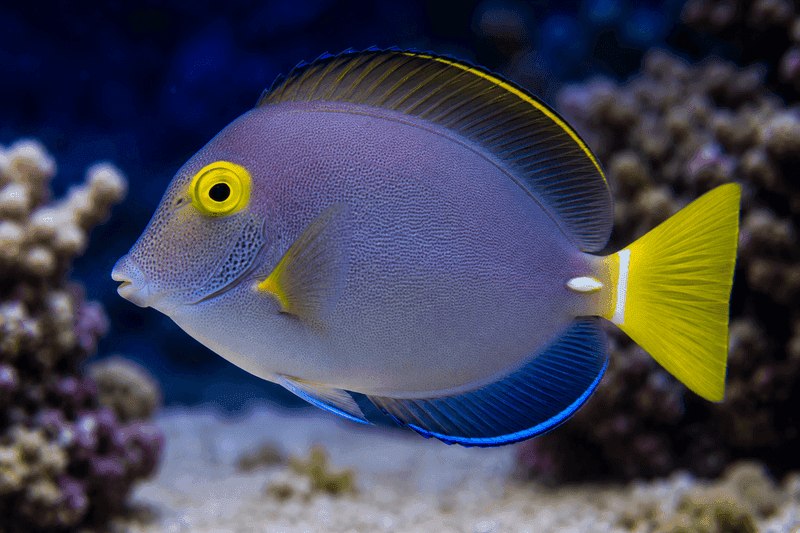
Ctenochaetus strigosus
An excellent utility fish for marine aquariums, known for constantly grazing on film algae and detritus. They have a striking dark body with fine lines and a bright yellow ring around the eye.
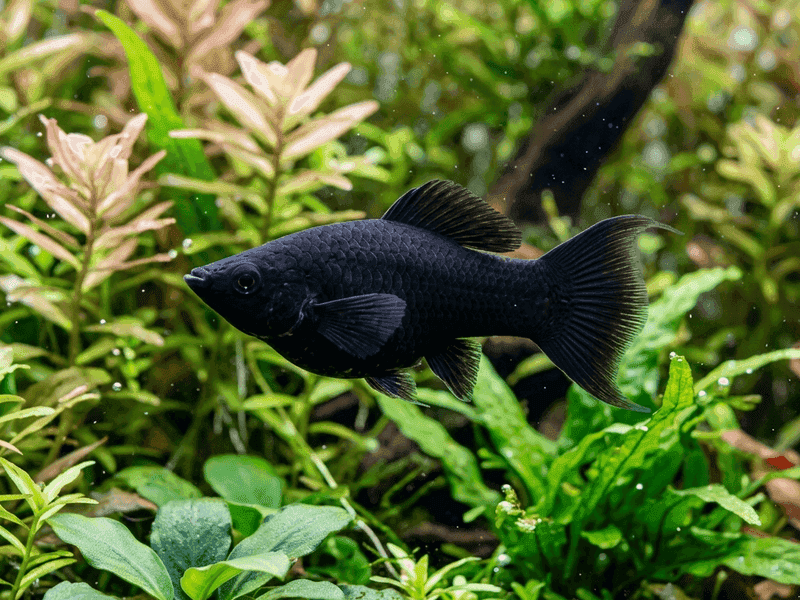
Poecilia sphenops
A hardy livebearing freshwater fish available in many color and body-form varieties. Mollies prefer mineral-rich, generally alkaline freshwater and can reproduce rapidly in mixed-sex groups.
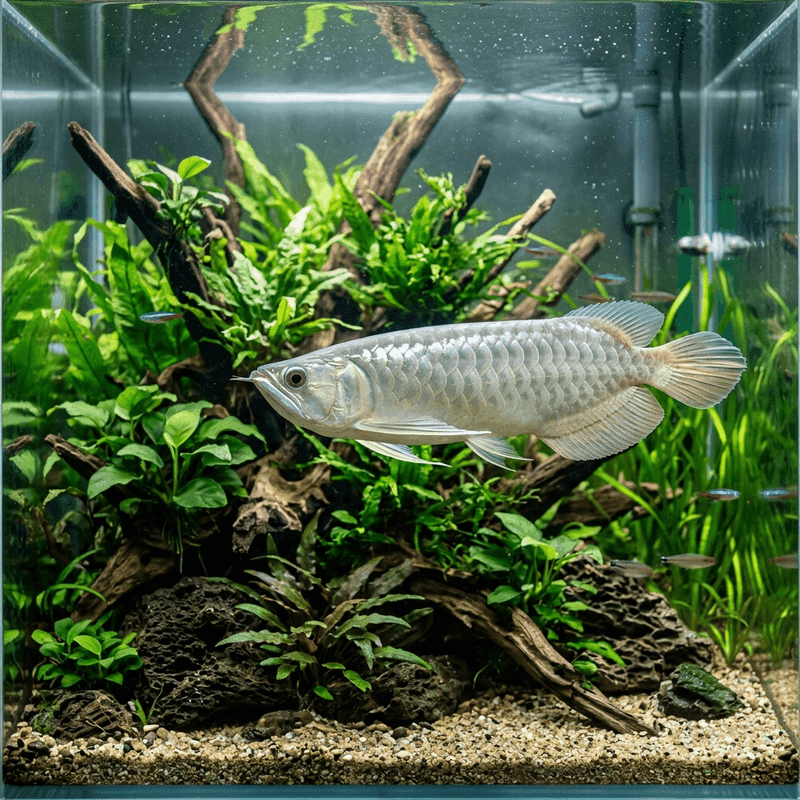
Osteoglossum bicirrhosum
A very large surface-feeding predatory fish that can exceed 3 feet in length. Silver Arowanas require an enormous aquarium footprint, excellent filtration, and a secure lid because they are powerful jumpers.
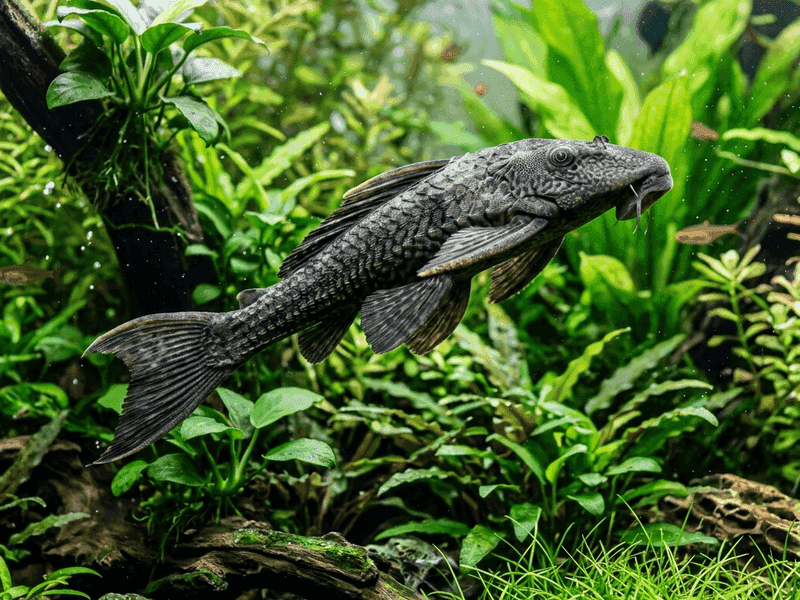
Hypostomus plecostomus
The Common Pleco is a large suckermouth catfish that can reach roughly 15 inches and produce substantial waste. It is often sold simply as a 'pleco,' but many different species are traded under that name, so species identification matters before choosing a tank.
Information on Roshan Aquva World is provided for general educational purposes. Aquarium requirements can vary depending on individual animals, aquarium conditions, source information, and husbandry practices. Content is periodically reviewed and may be updated as information develops.
Verify water parameter overlap, minimum tank volumes, and peaceful schooling temperaments with our interactive stocking calculator.