Roshan Aquva World
SUBMERGING INTO ATLAS
Diving through species care sheets & parameters…
Diving through species care sheets & parameters…
Evaluate water chemistry overlap, aggressive territorial behaviors, vertical swimming corridors, and live plant safety to build a thriving, stress-free community aquarium.
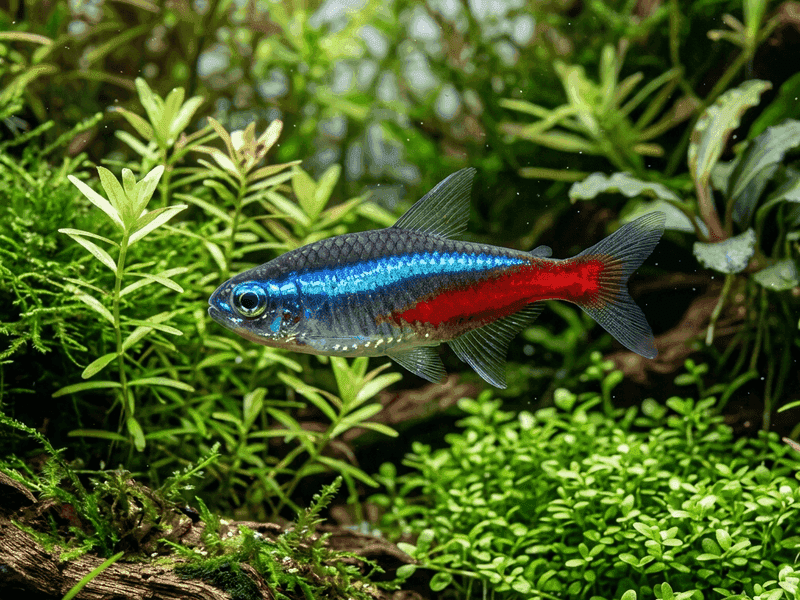
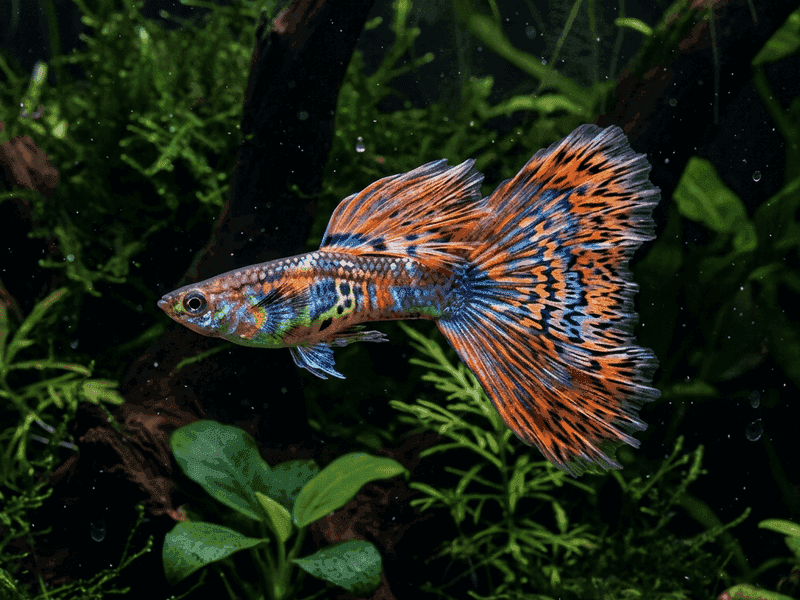
Neon Tetra and Guppy share harmonious parameters, non-conflicting temperaments, and compatible swimming layers.
Select your primary fish group to see which aquatic plant species will thrive without being eaten or uprooted.
Peaceful community fish do not eat or uproot live plants. You have 100% freedom to grow soft stem plants, carpeting flora, and delicate floating roots.
Combine fast-growing stem plants (Hornwort, Wisteria) with slow epiphytes (Anubias, Java Fern) for optimal algae suppression.
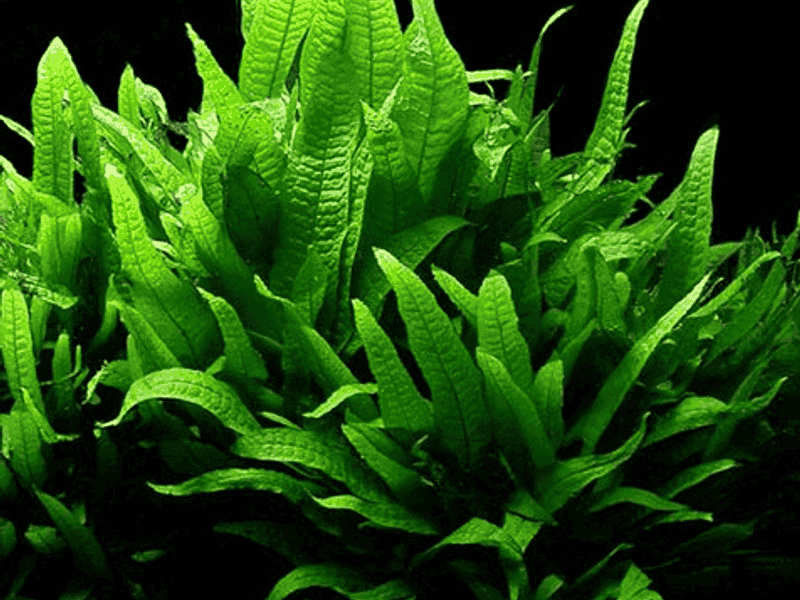
Java Fern is perhaps the most universally recommended plant for beginner aquarists. Originating from Southeast Asia, it is an epiphyte, meaning that in nature it grows attached to rocks and driftwood rather than buried in soil. In the aquarium, planting its rhizome (the thick green stem the roots grow from) directly into the gravel will cause it to rot and die. It must be tied or glued to hardscape. It is incredibly hardy and tolerates very low lighting and a wide range of water parameters. Because of its tough, leathery leaves, it is one of the few plants that herbivorous fish (like goldfish and certain cichlids) will usually leave alone. It reproduces by growing miniature 'plantlets' directly on the edges of its older leaves, which eventually detach and float away to root elsewhere.
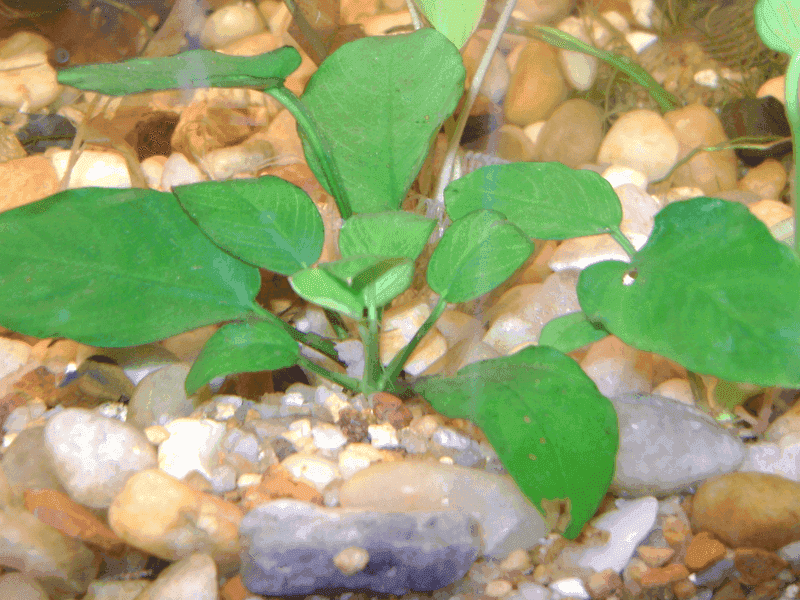
Anubias Nana is a stunning, dark green plant with thick, broad leaves that provide excellent resting spots for fish like Bettas. Like Java Fern, it is an epiphyte and must be attached to wood or rock rather than buried in the substrate. It is notoriously slow-growing, often producing only one new leaf per month. While this makes it very easy to maintain without constant trimming, it also makes the broad leaves susceptible to algae growth if placed under lighting that is too intense. It thrives in low-tech setups without injected CO2 and is robust enough to survive in tanks with rowdy fish.
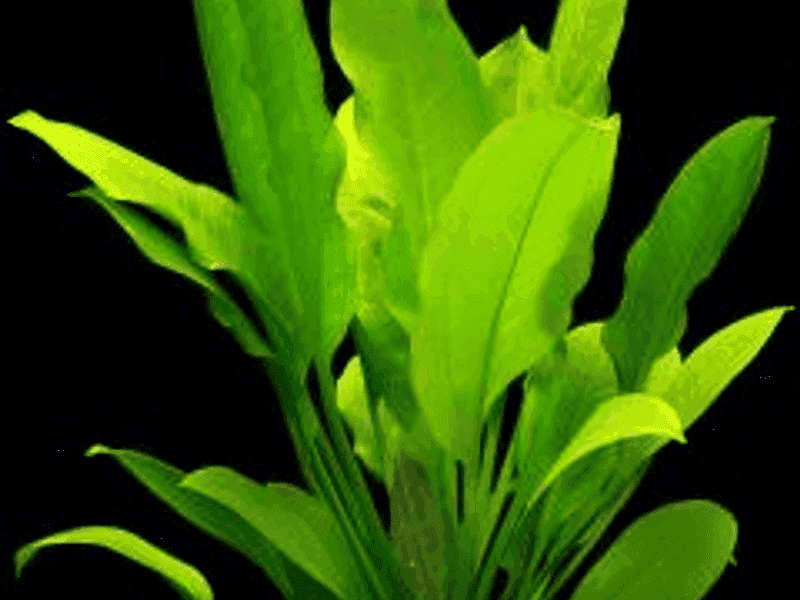
The Amazon Sword is a classic centerpiece plant for large aquariums. Under the right conditions, this heavy root-feeder can explode in growth, producing massive, bright green leaves that can easily reach 20 inches in height. It is ideal for planting in the background of the tank where it can create a dense, jungle-like aesthetic. Because of its massive root structure, the Amazon Sword requires a deep, nutrient-rich substrate. If you are using plain gravel or sand, you must regularly push root tab fertilizers deep into the substrate near its base. While it can survive in low light, medium to high light paired with root fertilizers will unlock its true potential and speed.
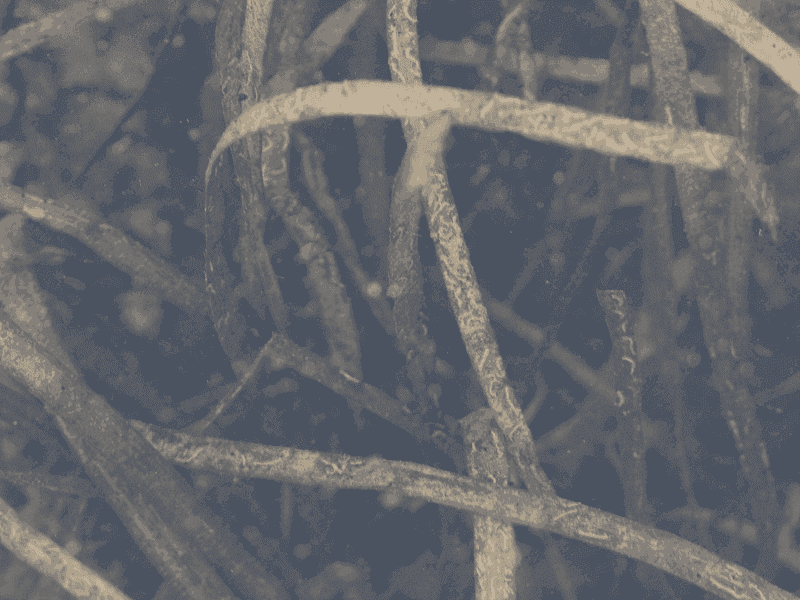
Jungle Val is a towering, ribbon-like plant that is perfect for creating a dramatic background or hiding equipment like heaters and filter intake tubes. It grows incredibly fast and tall, with its long leaves often reaching the surface and gracefully trailing across the top of the water. It propagates rapidly by sending out runners beneath the substrate, quickly forming a dense forest if left unchecked. It is very hardy and can tolerate harder water than many other aquatic plants. Note that Jungle Val is famously sensitive to liquid carbon supplements (like Excel); using these products will often cause the plant to melt away completely.
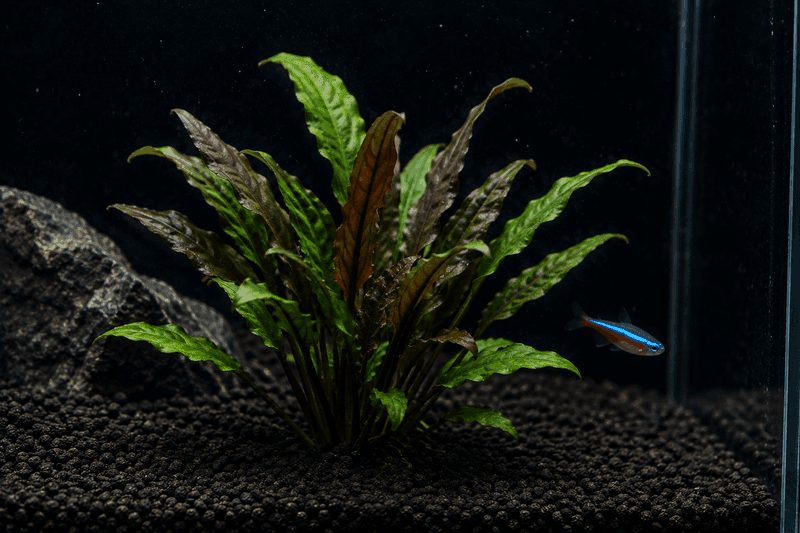
Cryptocoryne Wendtii is a classic, hardy rosette plant originating from Sri Lanka. It is highly adaptable, growing well under low light and without CO2. When first introduced or moved, it may drop its leaves (known as 'Crypt melt'), but it will quickly grow back acclimated to your water chemistry.
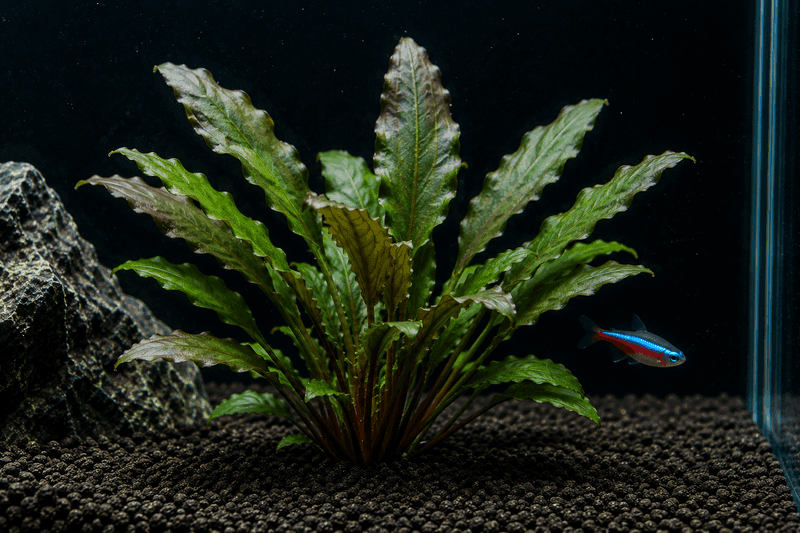
Features long, strap-like leaves with a unique puckered or crinkled texture that ripple beautifully in the filter current. It is hardy and grows tall, making it a great background plant. It prefers hard water and benefits from root fertilizer tabs.
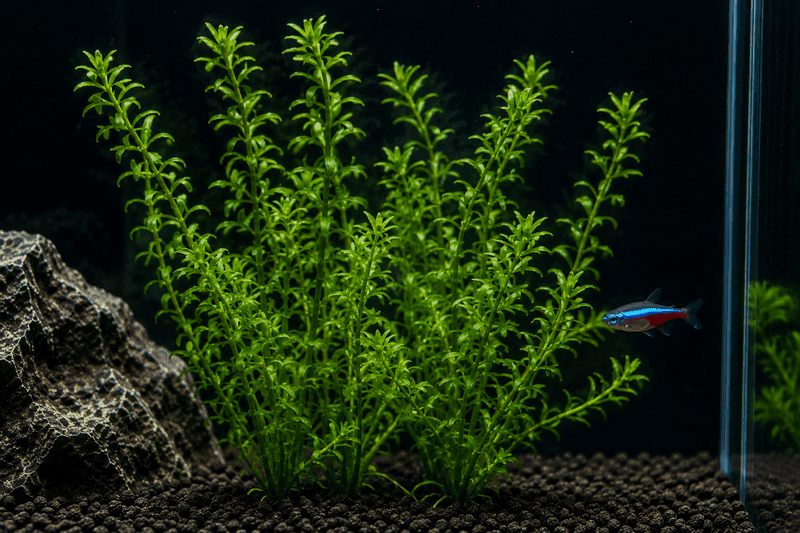
An exceptionally fast-growing, hardy stem plant with highly variable, lace-like leaves. Water Wisteria is useful for beginners and can take up nutrients from the water column, helping compete with algae when growth is healthy. It can be planted or floated.
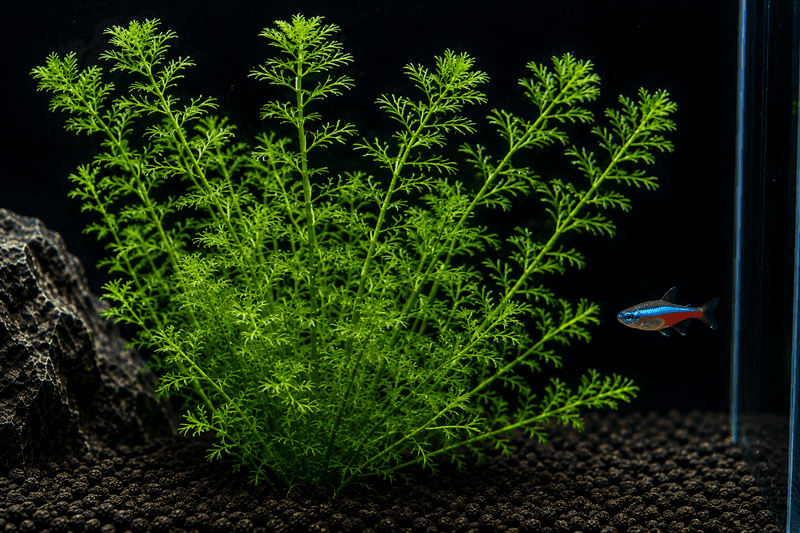
Also known as Indian Fern, this highly popular fern-like stem plant is versatile and fast-growing. It can be rooted in the substrate or left to float at the surface, providing excellent shelter for fry, nesting bettas, and shrimp.
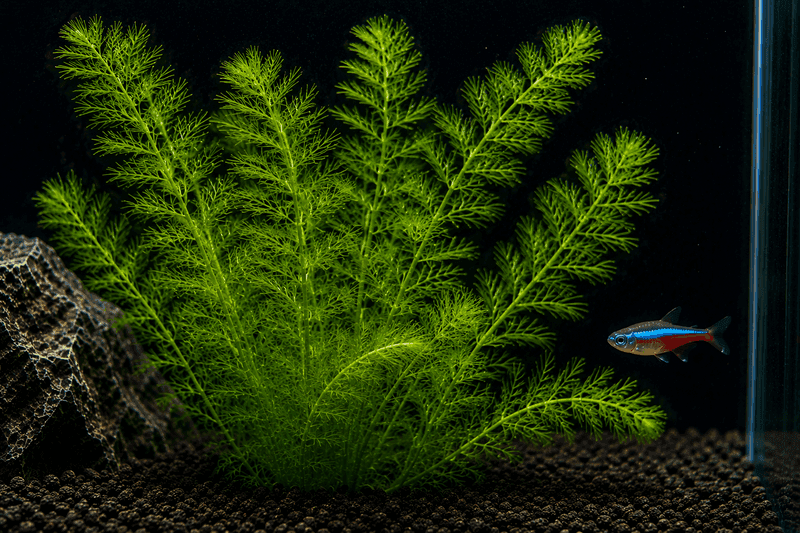
Hornwort is a rootless aquatic plant that can be grown floating or loosely anchored. It can grow quickly and take up nutrients from the water column, making it useful in many beginner aquariums. Rapid growth may require regular trimming.
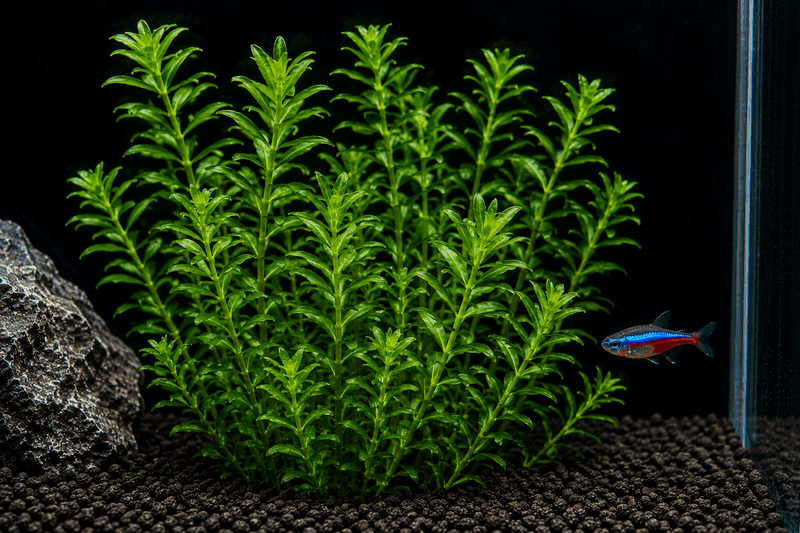
A popular stem plant with rows of green leaves along a sturdy stem. It can grow quickly under suitable conditions and take up nutrients from the water column. It can be used in many freshwater aquariums, although some herbivorous fish may readily eat it.
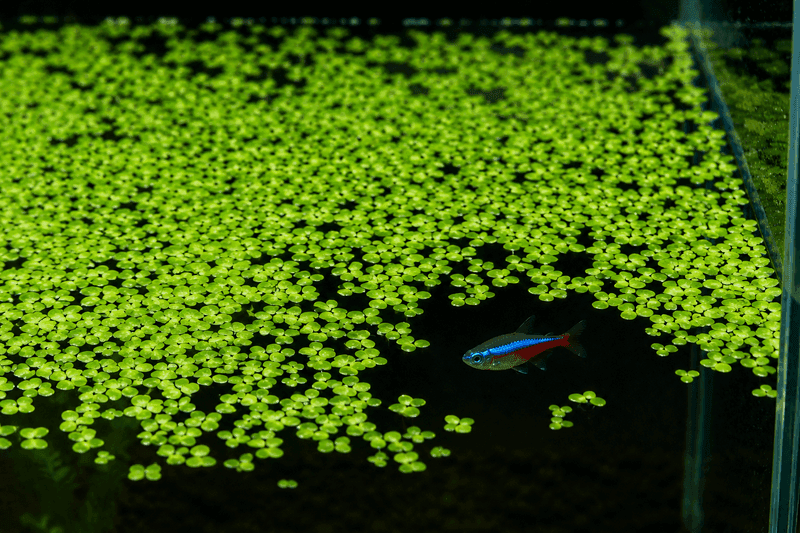
A tiny, single-leaved floating plant that can multiply very rapidly. Duckweed takes up nutrients from the water and can provide surface cover, but it may spread across much of the surface and reduce light reaching plants below. It can also be difficult to remove completely once established.
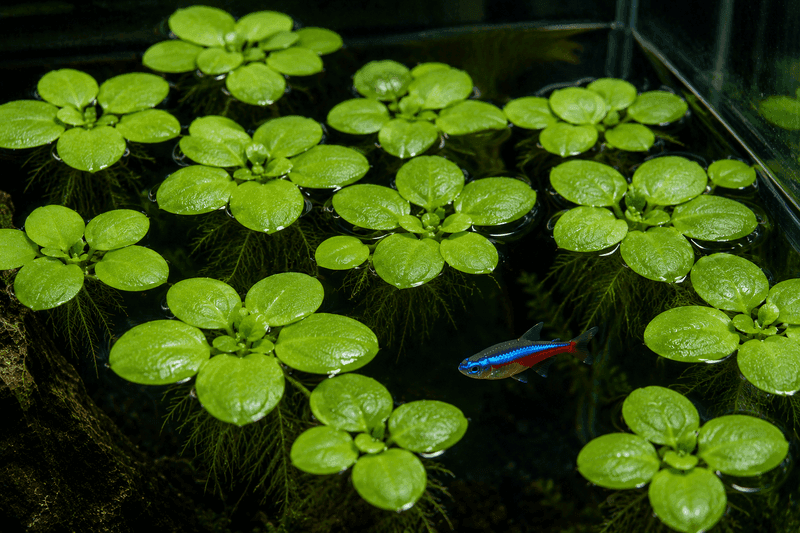
A very popular floating plant with round, spongy leaves that lie flat on the surface and long, beautiful feathery roots that trail downward. These roots absorb nutrients and offer excellent hiding areas for baby fish, shrimp, and nesting labyrinth fish.
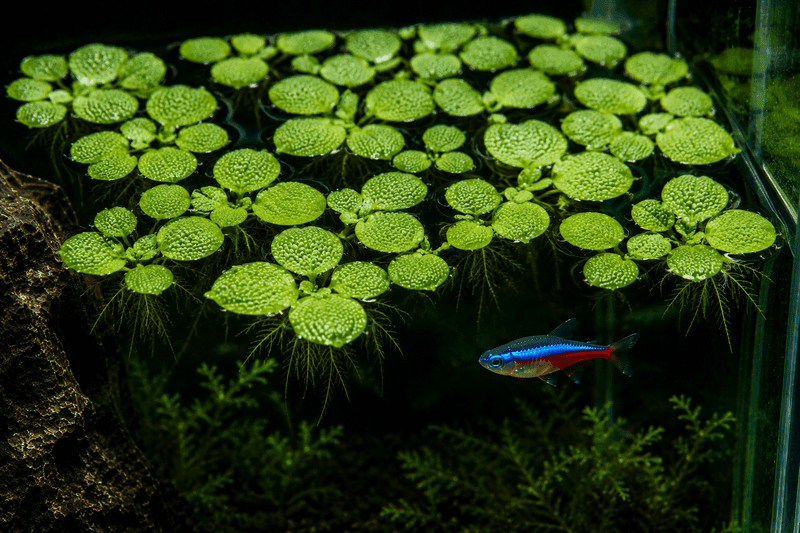
A floating fern with pairs of small, oval leaves covered in tiny hair-like structures that repel water. Water Spangles can grow quickly and provide surface cover while taking up nutrients from the water.
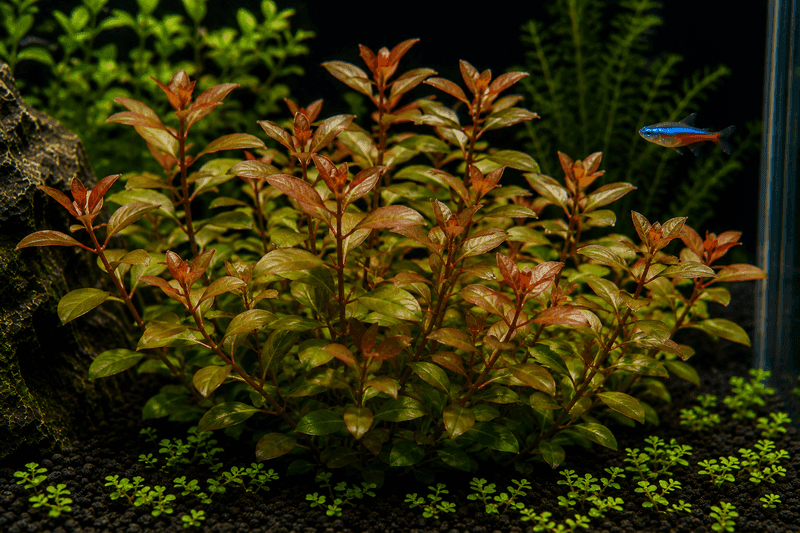
A popular and relatively easy stem plant that can add red coloration to community aquariums. Stronger lighting generally produces better red coloration, while lower light can result in greener growth. It is fast-growing and easy to propagate by cutting and replanting stems.
Cross-reference the 10 most popular freshwater aquarium fish. Click any cell to inspect specific social dynamics and care notes.
| Species | Neon | Guppy | Betta | Angel | Cory | Pleco | Molly | Barb | Rasbora | Danio |
|---|---|---|---|---|---|---|---|---|---|---|
| Neon Tetra | ||||||||||
| Guppy | ||||||||||
| Betta Fish | ||||||||||
| Angelfish | ||||||||||
| Cory Catfish | ||||||||||
| Bristlenose Pleco | ||||||||||
| Molly | ||||||||||
| Tiger Barb | ||||||||||
| Harlequin Rasbora | ||||||||||
| Zebra Danio |
Adult Angelfish will eat Neon Tetras (natural prey).
Successful community aquariums do not happen by chance. Every harmonious tank respects these five biological principles.
Fish have evolved specific osmoregulatory systems for either soft acidic water (like Amazonian Discus/Tetras) or hard alkaline water (like African Rift Lake Cichlids or Livebearers). Forcing soft-water fish into hard water causes chronic organ failure.
A well-planned community aquarium balances the 3 vertical zones: Top Dwellers (Danios, Hatchetfish), Mid-Water Schoolers (Tetras, Rasboras), and Bottom Dwellers (Corydoras, Plecos, Loaches). This eliminates spatial competition.
Peaceful community fish suffer severe chronic stress and immune collapse when housed with aggressive or boisterous tankmates. Certain fish only direct aggression toward their own species (conspecific), while others defend territory universally.
Never judge compatibility by juvenile store sizes. Adult Angelfish or Oscars grow large enough to view juvenile Tetras and Guppies as natural live food. Remember the fundamental rule: "If it fits in their mouth, it will be eaten."
Shoaling fish (Tetras, Danios, Barbs, Corydoras) kept in isolation or pairs live in constant predator panic. A minimum group of 6 to 10 individuals distributes social hierarchy and significantly reduces stress hormones.
These classic mismatches are frequently sold together in commercial pet shops but result in chronic stress, fin loss, or fatalities.
Male Bettas mistake the flowing, vibrant delta tails of male Guppies for rival Bettas, leading to aggressive chasing and fin tearing.
Tiger Barbs are hyperactive, notorious fin-nippers that will relentlessly shred the long ventral and dorsal fin trailers of slow-moving Angelfish.
Goldfish are coldwater species (65°–72°F) producing massive bioload, while Tropical fish require 76°–82°F. High tropical temperatures accelerate goldfish metabolism to dangerous rates.
African Rift Lake cichlids require hard, alkaline water (pH 7.8–8.6) and high aggression dynamics, whereas Discus require very soft, warm, acidic water (pH 6.0–6.8, 84°–86°F).
Turn off tank lighting 30 minutes before introducing new fauna to lower cortisol and territorial defense instincts.
Float the sealed transit bag in the aquarium for 15–20 minutes to equalize water temperature gradually.
Slowly add small cupfuls (or airline drip) of tank water into the bag over 30 minutes to adjust pH and TDS.
Net the fish into the tank gently. Never pour the transport bag water into your main aquarium!
Ensure your community species have sufficient horizontal swimming corridors and biological volume buffer.