Roshan Aquva World
SUBMERGING INTO ATLAS
Diving through species care sheets & parameters…
Diving through species care sheets & parameters…
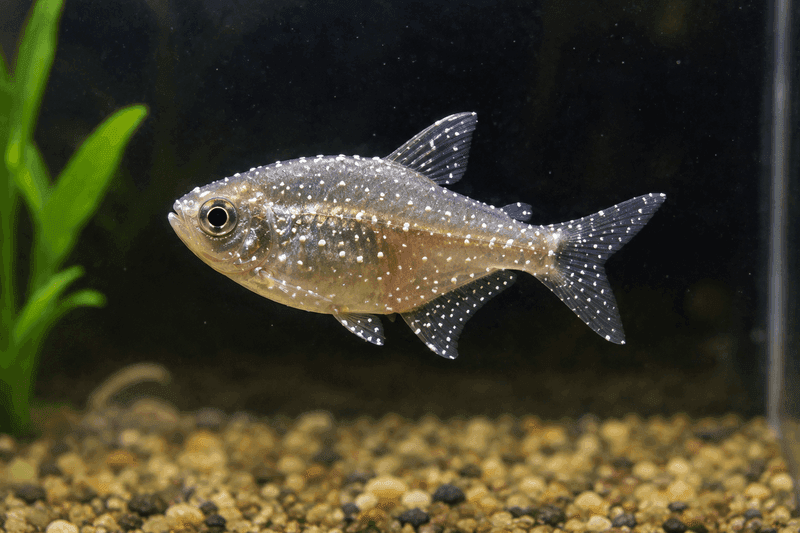
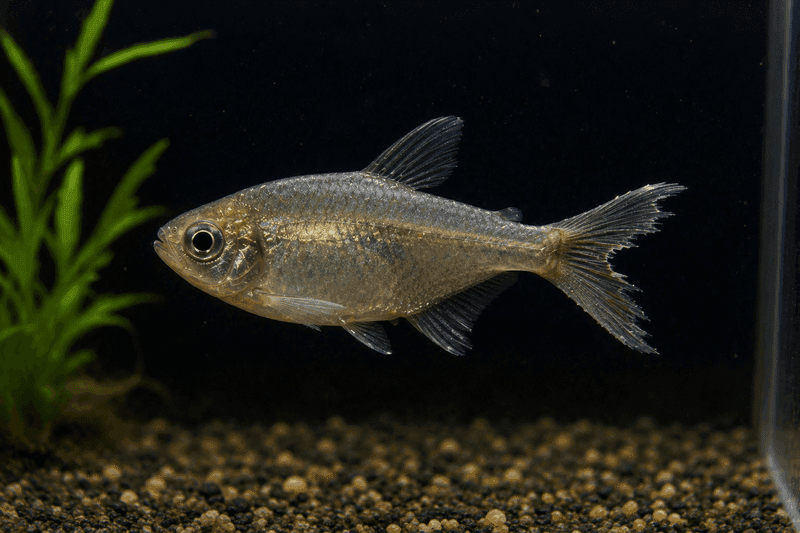
Velvet is a parasitic disease caused by dinoflagellates. In freshwater fish it is associated with Piscinoodinium, while marine velvet is caused by related Amyloodinium species. It can appear as fine yellow, gold, or rust-colored spots or a velvety film and can severely affect the gills.
Always isolate sick fish in a dedicated quarantine or hospital tank before applying medications. Certain active compounds (like copper, malachite green, or formalin) and temperature shifts can be harmful to snails, shrimp, delicate scale-less fish (like Corydoras), and live plants.
Highly contagious and capable of spreading through infected fish, contaminated water, and equipment. The pathogenic stages are photosynthetic, but light reduction alone should not be relied on as a complete treatment.
Treat promptly with an appropriate velvet medication recommended for the affected freshwater or marine fish and follow the product instructions exactly.
Maintain stable, species-appropriate water conditions rather than using temperature increases as a stand-alone treatment.
Use aquarium salt only when appropriate for the species and other aquarium inhabitants.
For freshwater velvet, appropriate antiparasitic treatments may include copper or other veterinarian-recommended medications; marine velvet requires a marine-appropriate treatment protocol.
Maintain strong aeration during treatment, especially when gill function is affected.
Information on Roshan Aquva World is provided for general educational purposes. Aquarium requirements can vary depending on individual animals, aquarium conditions, source information, and husbandry practices. Content is periodically reviewed and may be updated as information develops.
Select observed physical and behavioral symptoms to identify root causes and immediate care protocols.