Roshan Aquva World
SUBMERGING INTO ATLAS
Diving through species care sheets & parameters…
Diving through species care sheets & parameters…
Clinical profiles for common aquatic infections. Understand pathogen life cycles, clinical symptoms, and safe medication dosing protocols.
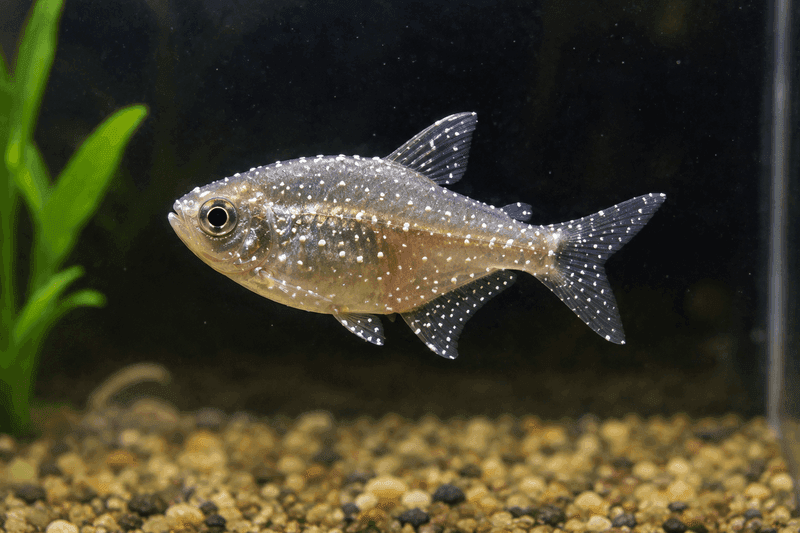
Ich (white spot disease) is a common freshwater parasitic disease caused by Ichthyophthirius multifiliis. It produces small white spots on the skin and fins and can also affect the gills. Heavy infections can be rapidly fatal if untreated.
Small white spots resembling salt grains on the skin, fins, and eyes, Fish rubbing or scratching against rocks and decorations (flashing), Rapid breathing or gasping at the water surface
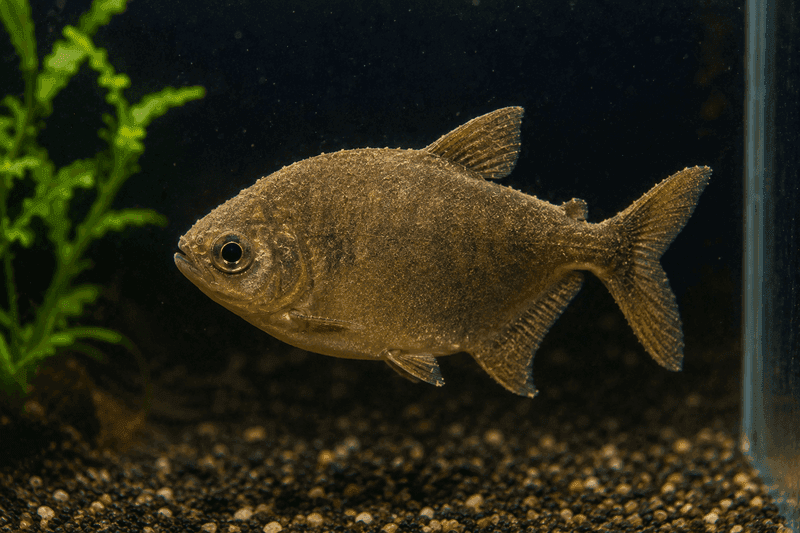
Velvet is a parasitic disease caused by dinoflagellates. In freshwater fish it is associated with Piscinoodinium, while marine velvet is caused by related Amyloodinium species. It can appear as fine yellow, gold, or rust-colored spots or a velvety film and can severely affect the gills.
Fine dusty golden, yellow, or rust-colored film on the fish's body, Frequent scratching or flashing against decorations, Severe respiratory distress (gasping, rapid gill movement)
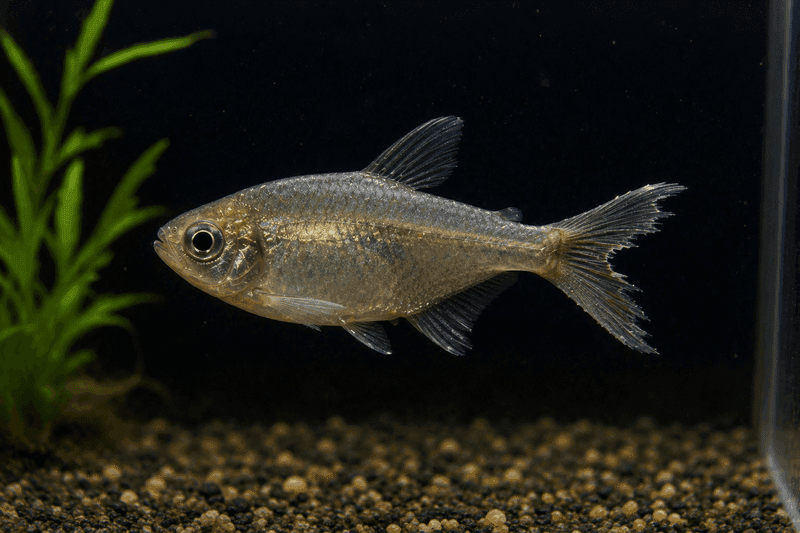
Fin rot describes progressive erosion or damage of the fins that is commonly associated with poor water quality, injury, stress, or secondary bacterial infection. Opportunistic microorganisms can colonize damaged tissue, and fungal or water-mold growth may occur secondarily.
Fin edges turning white, red, or black, Fins appearing frayed, split, or ragged, Base of the fins showing red inflammation or rot moving toward the body
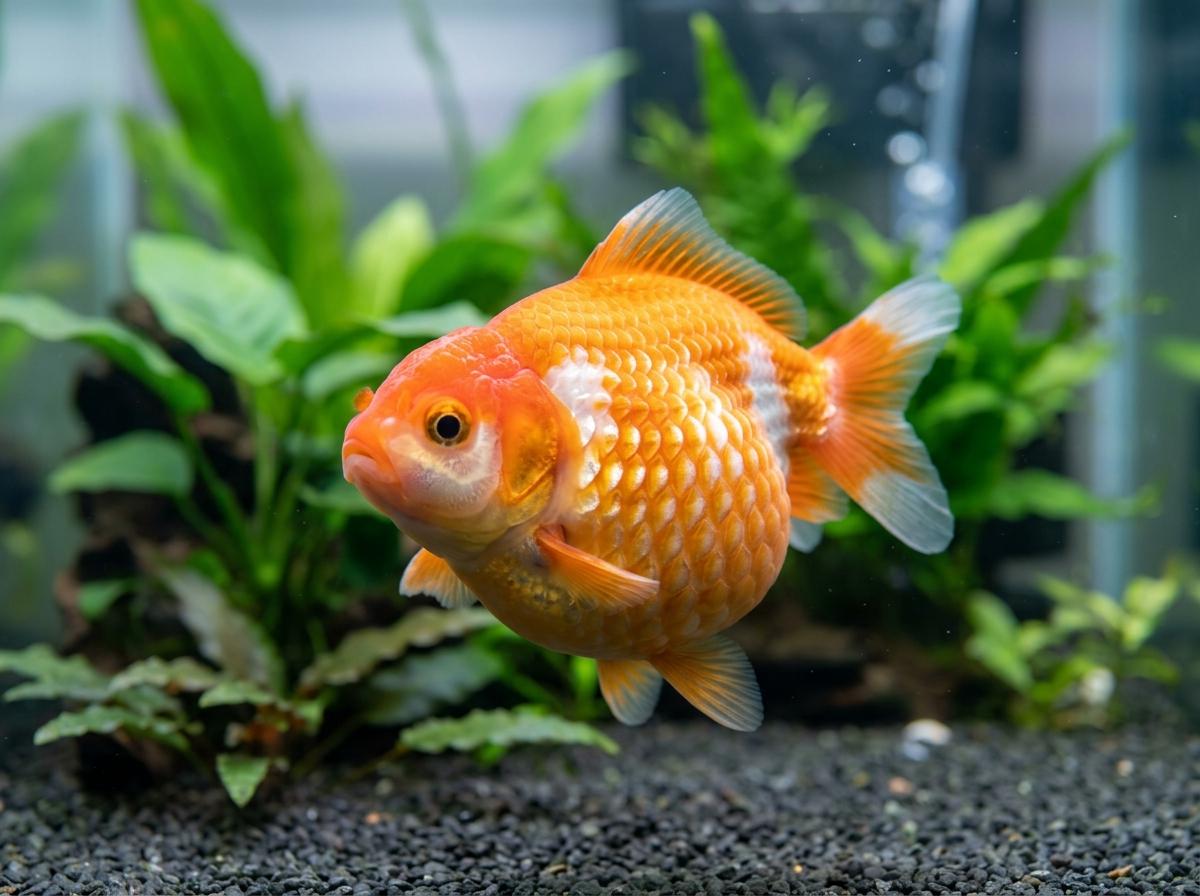
Dropsy is not a specific disease but a clinical sign of abnormal fluid accumulation in a fish. It can be associated with kidney dysfunction, severe infection, or other serious systemic problems and may cause abdominal swelling and scales that protrude outward (pineconing).
Severely bloated or swollen abdomen, Scales sticking out like a pinecone, Pop-eye (protruding eyes)
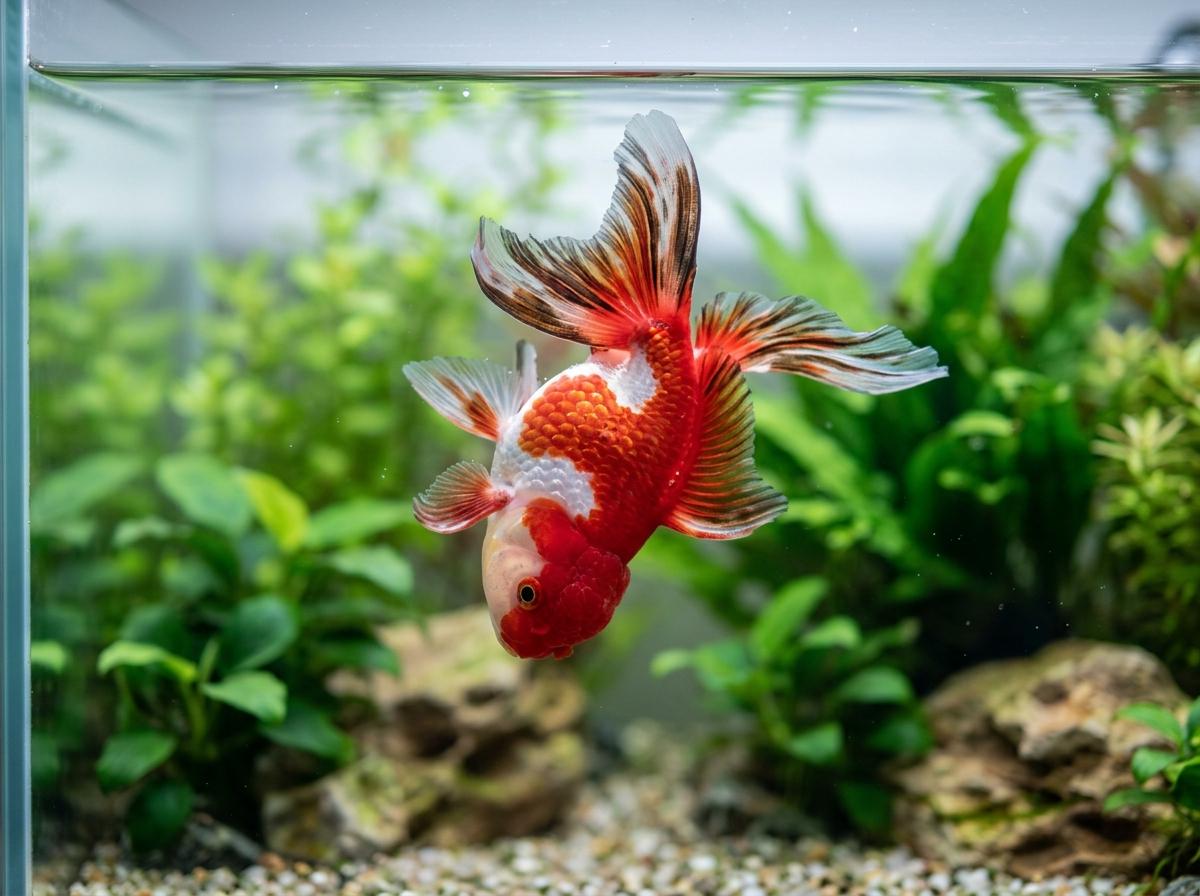
Swim bladder disorder is a general term for abnormal buoyancy or swimming problems. The swim bladder helps regulate buoyancy, but similar signs can result from digestive problems, injury, infection, organ disease, or other conditions.
Sinking to the bottom or floating uncontrollably at the surface, Swimming sideways, upside down, or at an odd angle, Swollen belly or curved back
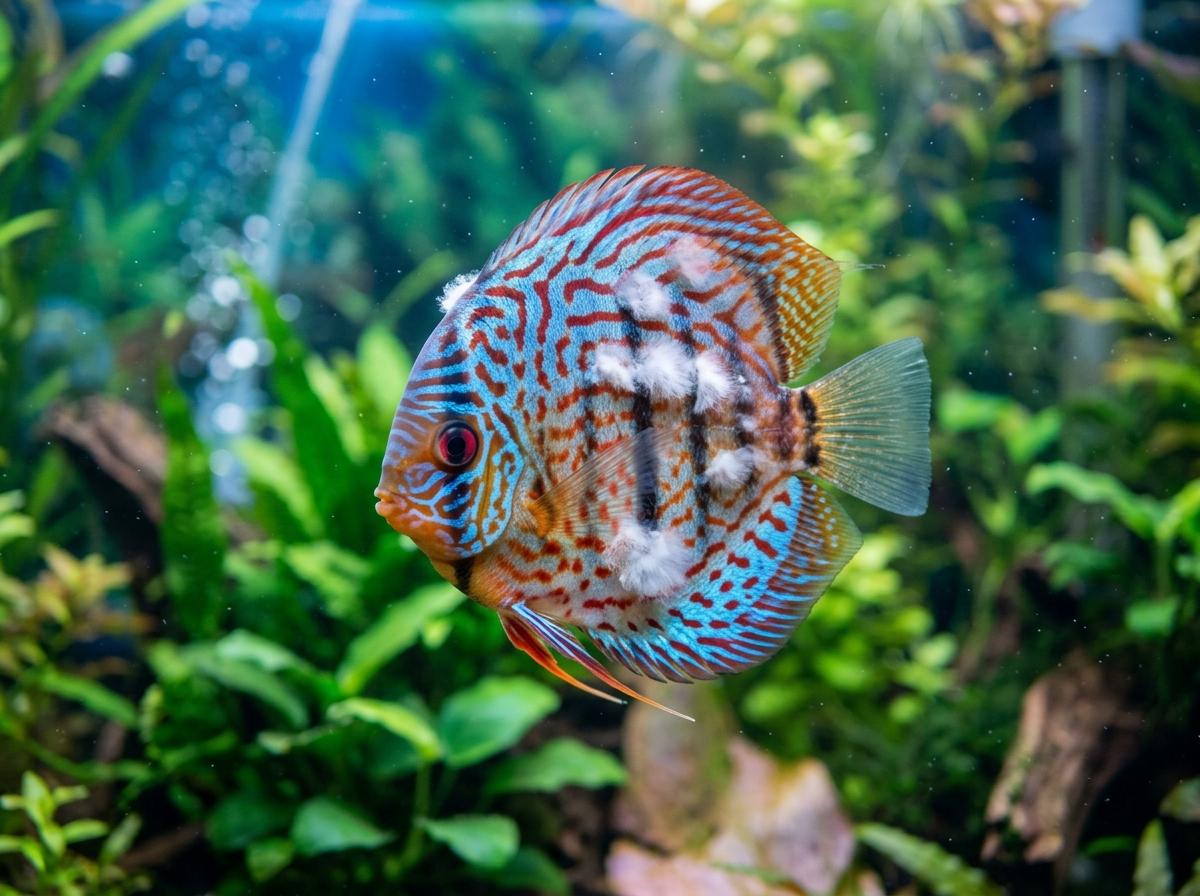
Cotton-wool disease commonly refers to an external water-mold infection such as Saprolegnia. It produces white, grey, or brown cotton-like growths on damaged skin, fins, eyes, or eggs and often develops after injury, parasite damage, or other stressors. Saprolegnia is an oomycete rather than a true fungus.
White or grey cotton-like, fuzzy tufts on the skin or fins, Fungal growths forming around open wounds or sores, Clamped fins and scratching behavior
Check off physical manifestations to identify fungal, parasitic, or bacterial root causes.