Roshan Aquva World
SUBMERGING INTO ATLAS
Diving through species care sheets & parameters…
Diving through species care sheets & parameters…
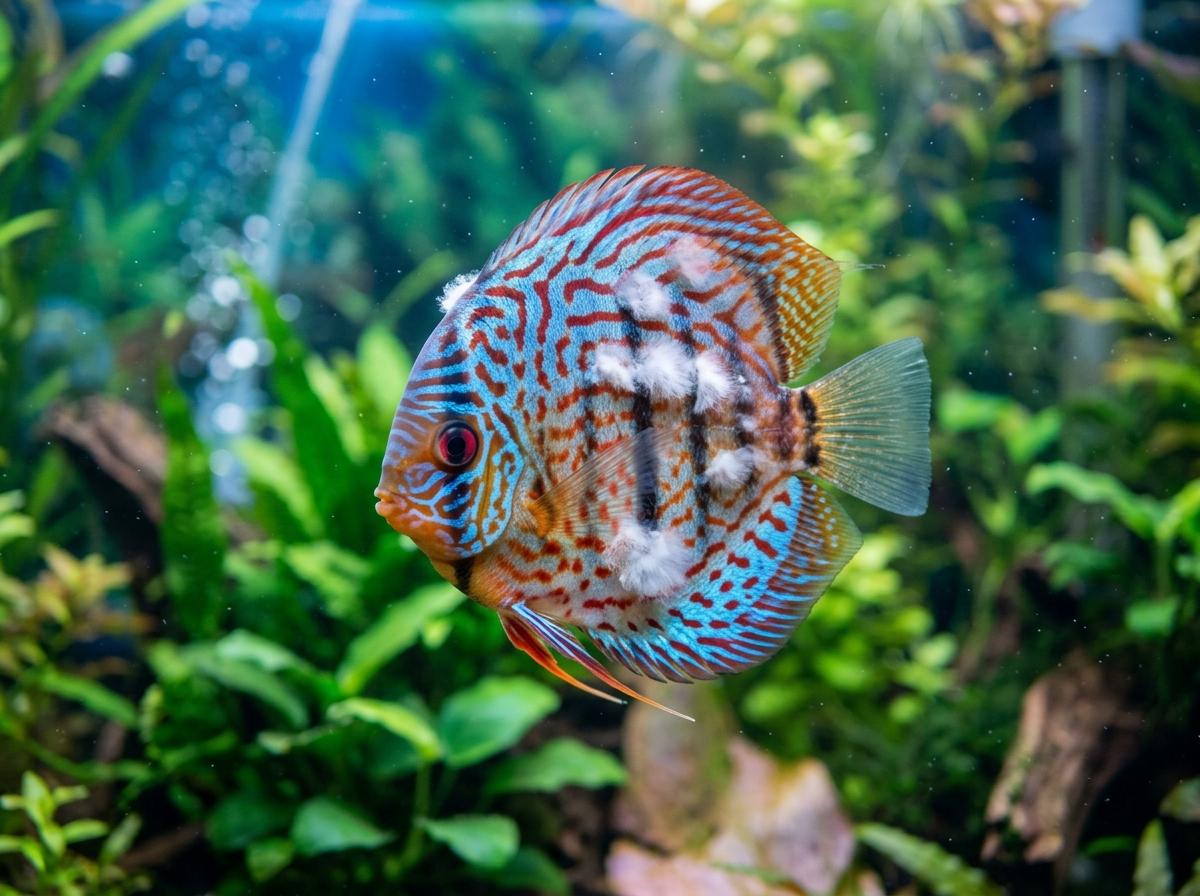
Cotton-wool disease commonly refers to an external water-mold infection such as Saprolegnia. It produces white, grey, or brown cotton-like growths on damaged skin, fins, eyes, or eggs and often develops after injury, parasite damage, or other stressors. Saprolegnia is an oomycete rather than a true fungus.
Always isolate sick fish in a dedicated quarantine or hospital tank before applying medications. Certain active compounds (like copper, malachite green, or formalin) and temperature shifts can be harmful to snails, shrimp, delicate scale-less fish (like Corydoras), and live plants.
Saprolegnia and related water molds are widespread in aquatic environments and commonly colonize damaged or dead tissue. Outbreaks are associated with injury, poor sanitation, organic debris, parasites, and other stressors.
Correct water-quality and sanitation problems and remove dead or decaying material from the aquarium.
Isolate the affected fish when practical, especially if it needs targeted treatment or close observation.
Use an appropriate treatment for external Saprolegnia or other suspected water molds according to the product label or fish-health professional advice.
Do not use salt as a universal treatment; use it only when appropriate for the species and other aquarium inhabitants.
Maintain clean, well-oxygenated water and minimize further handling or injury.
Information on Roshan Aquva World is provided for general educational purposes. Aquarium requirements can vary depending on individual animals, aquarium conditions, source information, and husbandry practices. Content is periodically reviewed and may be updated as information develops.
Select observed physical and behavioral symptoms to identify root causes and immediate care protocols.